01
Stainless & aluminum welding
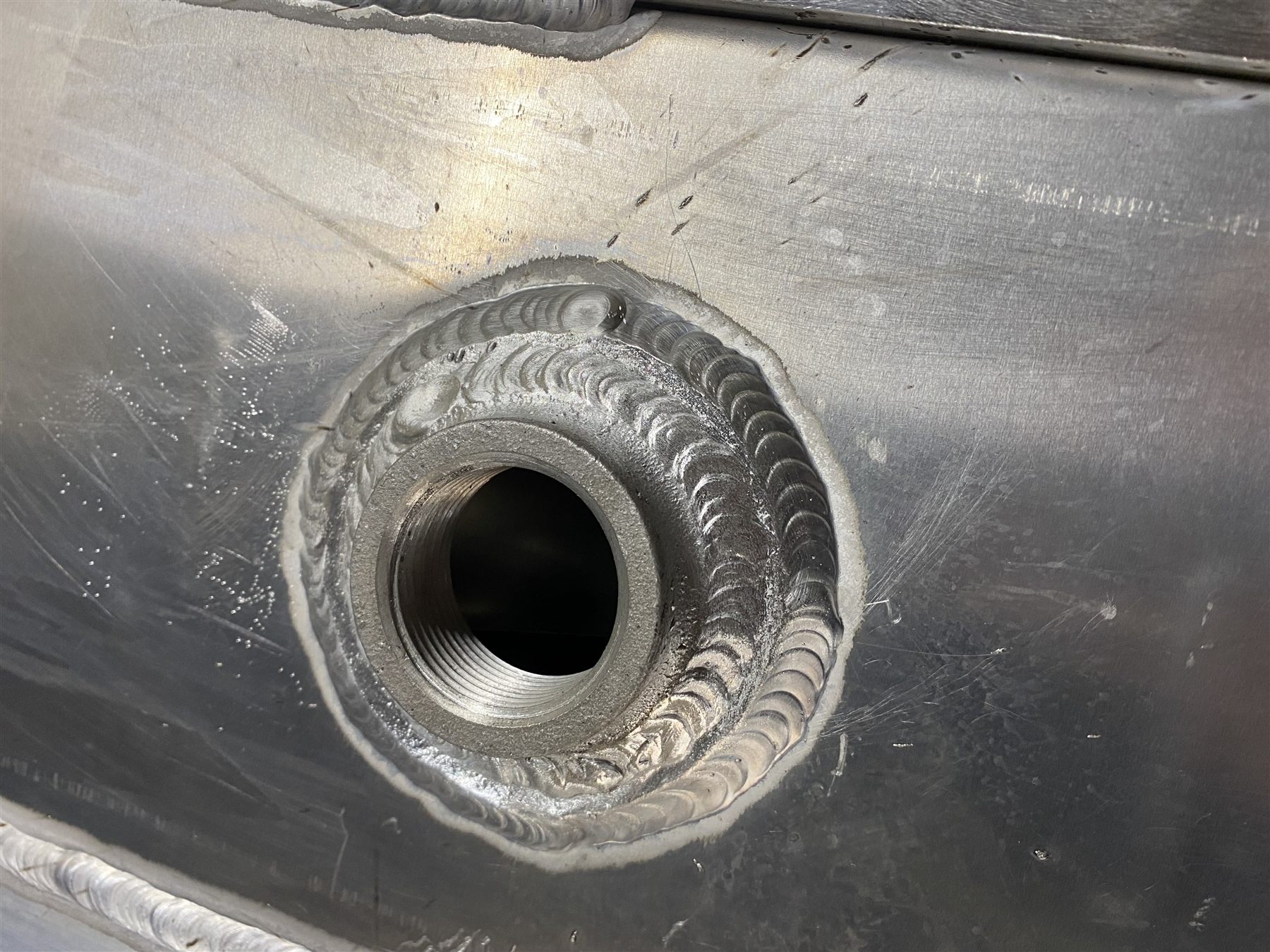
Clean TIG work on tanks, boxes, food equipment, tubing, and specialty projects.
TIG welding services · Treasure Valley, Idaho
TIG welding across the Treasure Valley for the work that has to look as good as it holds. Stainless, aluminum, thin metal, and any weld people will actually see — clean, controlled beads with almost no cleanup. Slower and pricier than MIG, and worth it when precision is the point.
Gas tungsten arc welding, explained
TIG welding — gas tungsten arc welding, or GTAW — is the precision end of the trade. A non-consumable tungsten electrode strikes the arc, an inert gas like argon shields the puddle from the air, and filler metal is fed in by hand, one dip at a time. Nothing splatters, nothing crusts over. What you get is a tight, deliberate bead that often needs no cleanup at all.
Because the heat and the filler are controlled separately, a TIG welder can dial in exactly how much energy goes into the metal and exactly how much filler goes down. That control is why TIG is the go-to for stainless, aluminum, thin material, and any weld that's going to be looked at. Idaho Welding Service runs TIG welding services for homeowners, shops, and contractors across the Treasure Valley whenever the job calls for it.
TIG trades speed for quality — it's the slow, careful process you choose when the weld has to be right and has to look right. If you're not sure whether your project needs TIG or something faster, text a couple of photos with your location and you'll get a straight answer on the best process before any work starts.
Why TIG is the precision process
Most welding processes tie the heat and the filler together. TIG splits them apart. The welder holds the arc in one hand and feeds filler rod with the other, often adjusting the amperage in real time with a foot pedal. That independent control over heat and filler is what makes GTAW welding so precise — and why the beads come out clean, even, and nearly spatter-free.
Where TIG earns its keep
TIG is built for the metals that give other processes trouble. Aluminum TIG welding runs on AC to break through the oxide layer, and stainless TIG welding in Idaho is exactly the kind of clean, corrosion-safe work the process was made for. The fine heat control lets a TIG welder join thin material without warping or blowing through it, which makes it the right tool for tanks, boxes, food-grade equipment, tubing, and specialty alloy jobs.
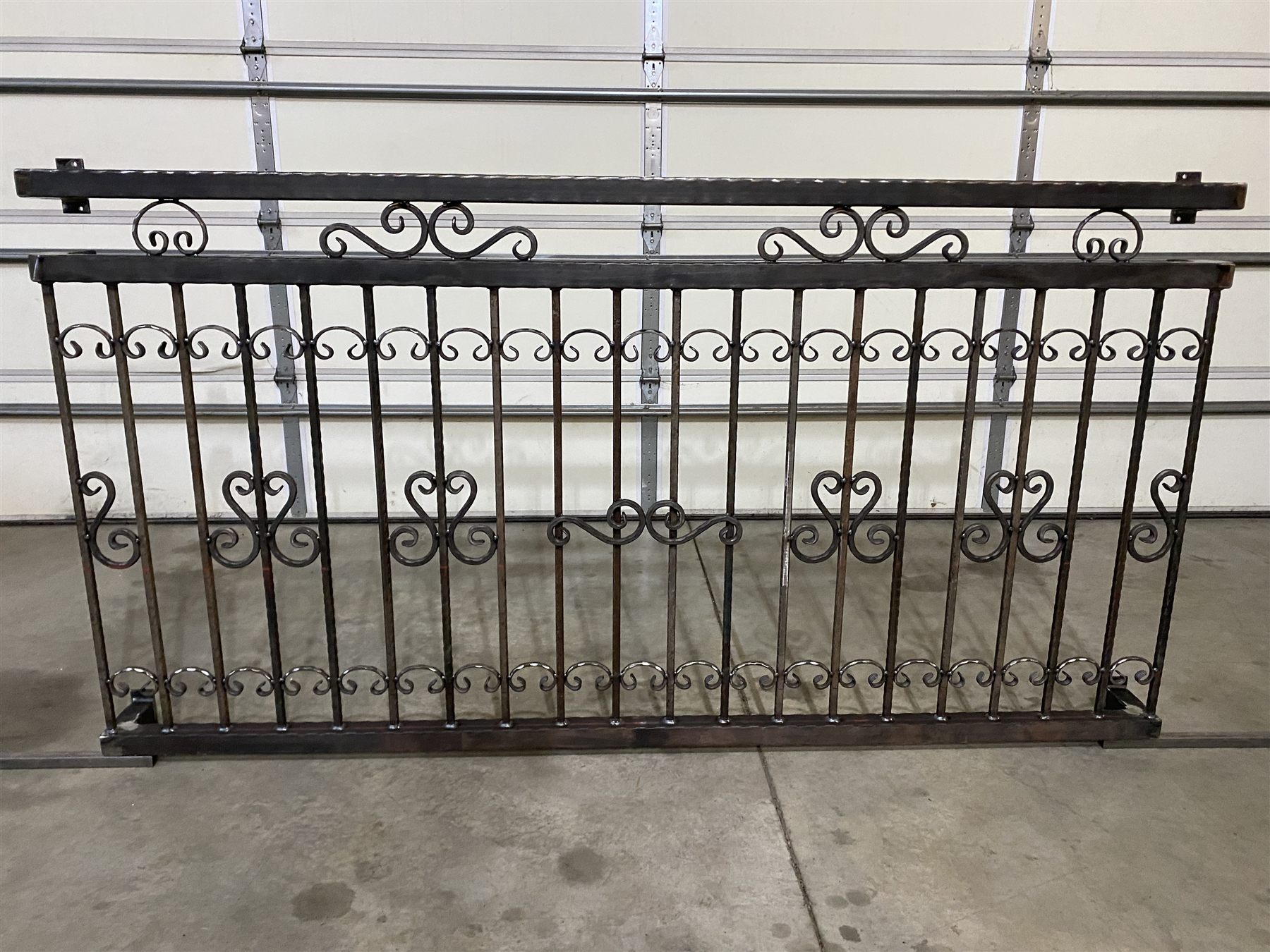
Some welds live where nobody looks. Others sit right in plain sight — a railing people run their hand along, a gate at the front of a property, a bracket on something on display. When the weld has to look as good as it holds, TIG is the answer. The smooth, evenly stacked bead reads as finish work, not a repair, so railings and cosmetic pieces come out looking intentional instead of patched.
Straight talk before you book
TIG isn't automatically better — it's better for certain jobs. MIG is faster, lays down more metal per minute, and usually costs less, which makes it the sensible choice for a lot of everyday steel repair and heavier fabrication. If a weld is going to be hidden, painted over, or just needs to hold, paying for TIG time is often money that doesn't need to be spent. We'll tell you when MIG or stick will do the job for less.
TIG is worth the extra time and cost when appearance and precision matter — thin metal, stainless, aluminum, and welds people see. One catch on-site: TIG leans on a steady curtain of shielding gas, and even a light breeze can blow that shield away and ruin the weld. So TIG work usually happens back at the shop or somewhere genuinely sheltered on-site. If a piece can't move, we'll look at blocking the wind or switching to a process that holds up outdoors.
Where TIG fits in
TIG is one process among several we run — the one we reach for when a job needs clean, precise welds. Here's where it shows up most, plus the related services it pairs with across the shop.
Clean TIG work on tanks, boxes, food equipment, tubing, and specialty projects.
Railings, guardrails, and gates with visible welds that read as finish work.
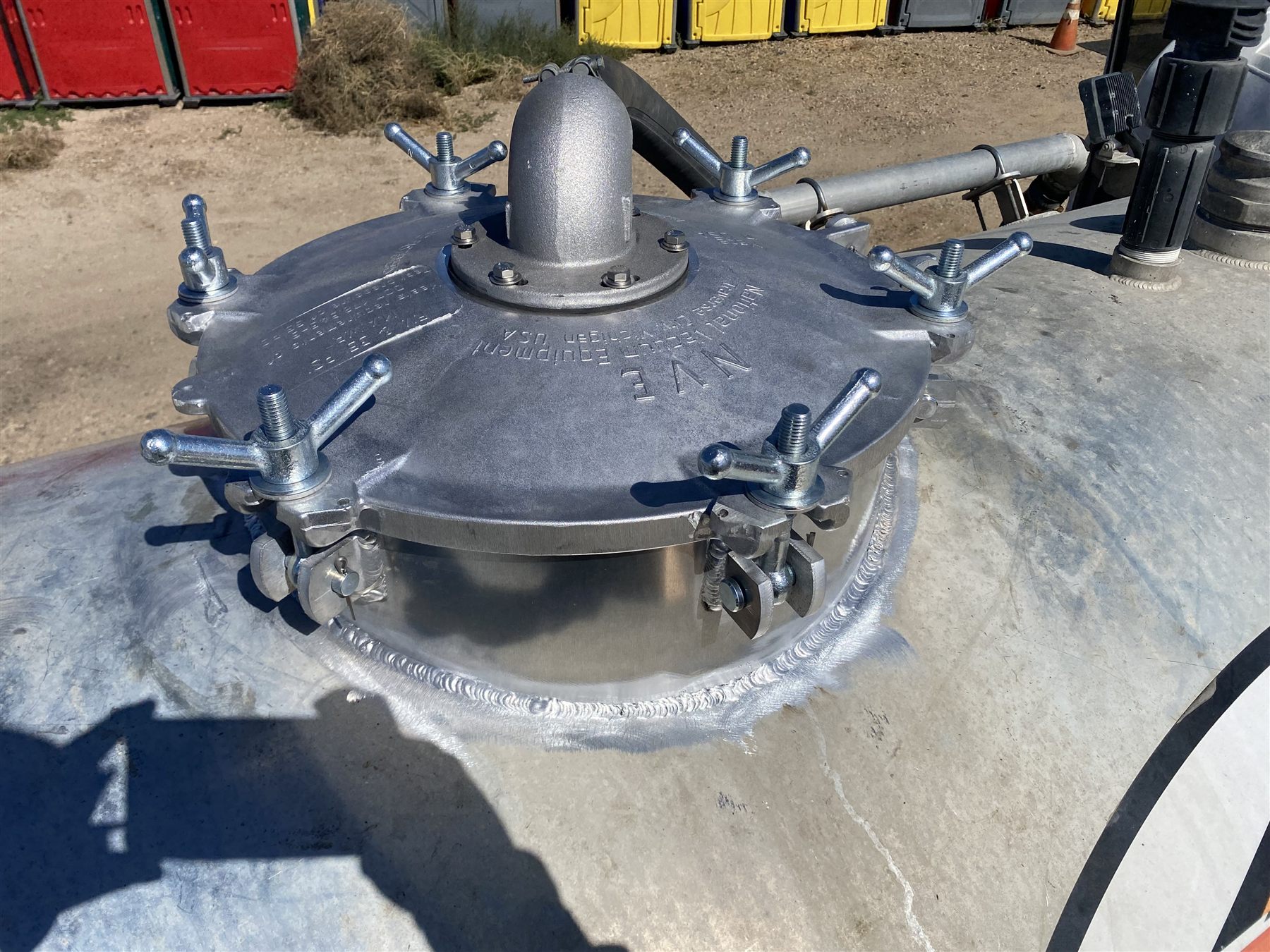
Brackets, mounts, and custom metal work built and finished to how you'll use it.
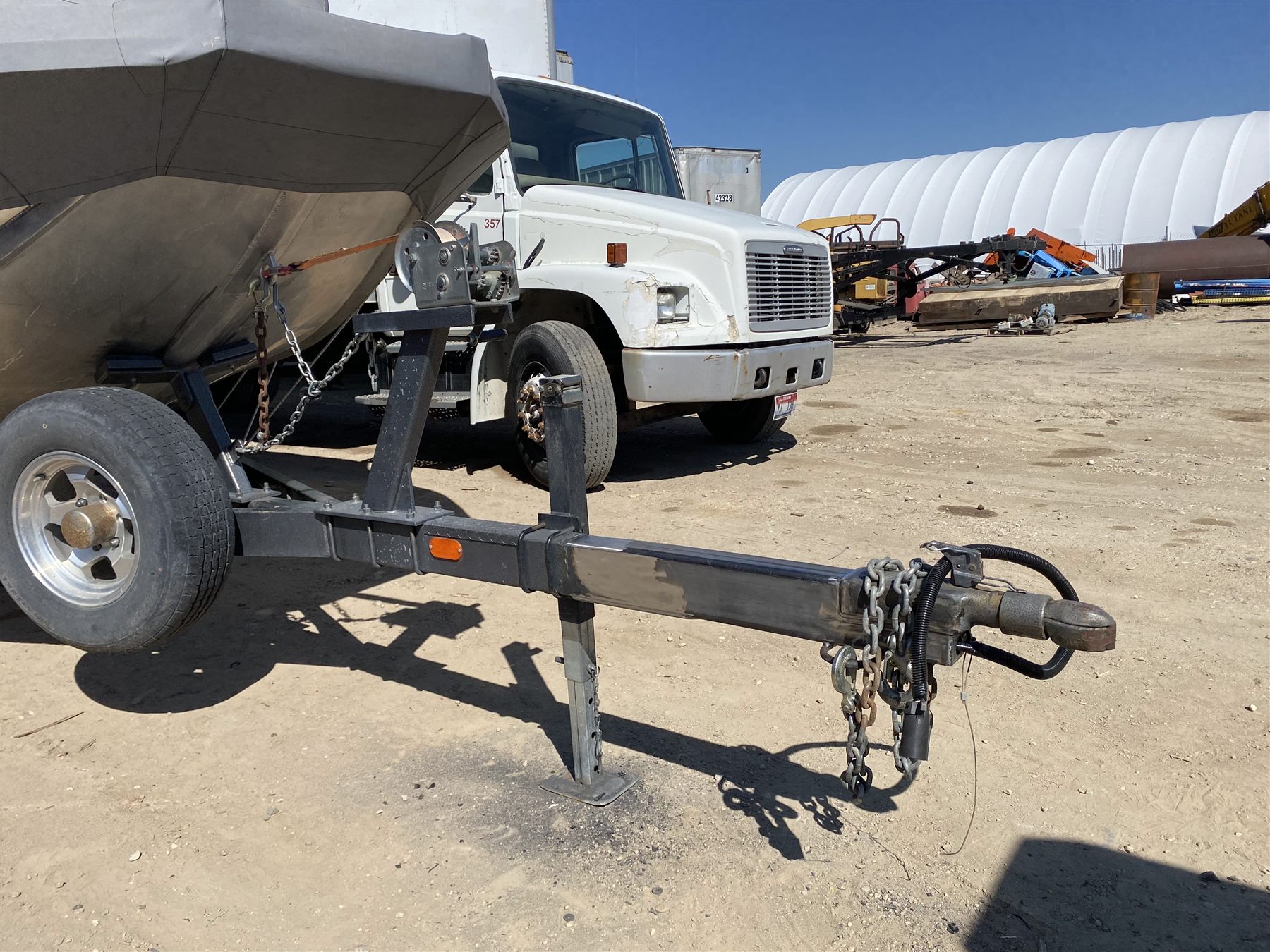
The faster process for everyday steel repair and heavier fabrication work.
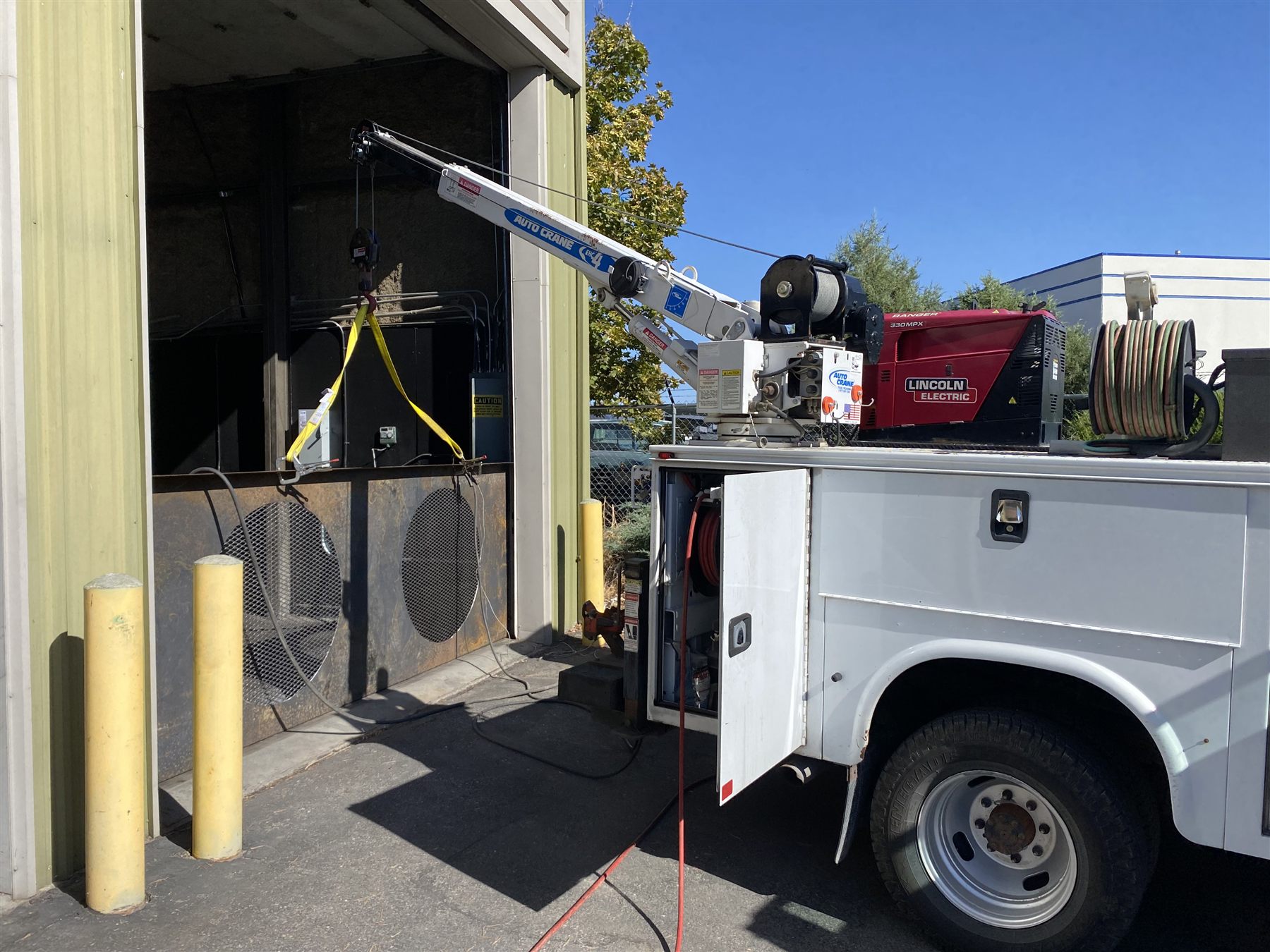
On-site service for jobs too large or too broken to bring to the shop.
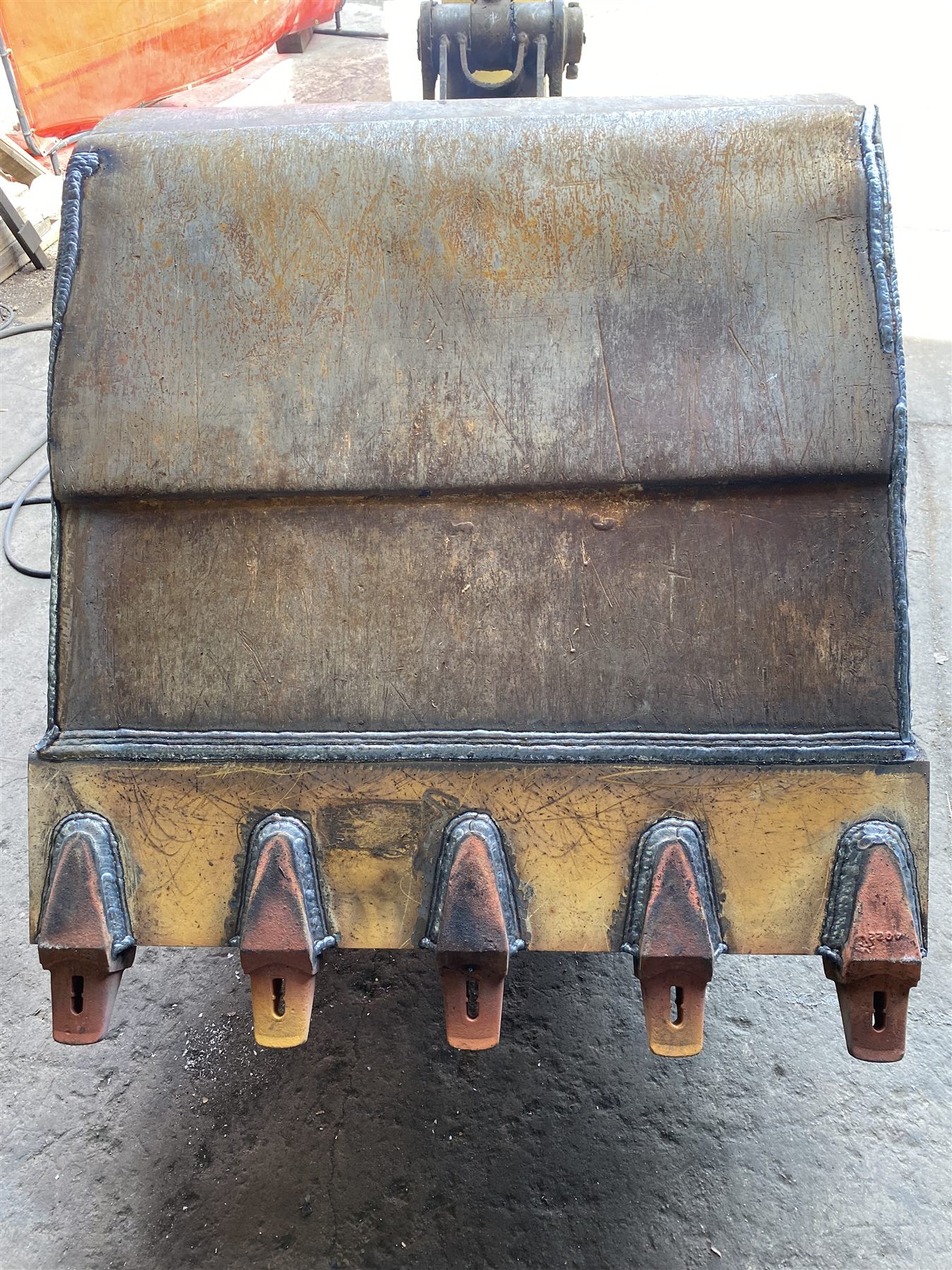
The rugged process that holds up outdoors, in wind, and on dirty or heavy metal.
Getting a TIG quote
TIG pricing comes down to the metal, the thickness, and how much weld time the job needs — and because TIG is slower than MIG, weld time matters more here than on a quick repair. A few clear photos and a note on the material get you a real number fast. Here's how to help us quote it right the first time.
Wide and close shots of the piece tell us the metal, the thickness, and the finish it needs — often enough to quote the TIG time without a visit.
Text photos to 208-409-0756 →Stainless, aluminum, or mild steel — and roughly how thick — changes the settings and the approach. Tell us what it is and we'll match the process to it.
Text the details →Because wind ruins a TIG shield, most TIG work runs at the shop. Tell us if the piece can travel or has to be welded in place, and we'll plan around it.
Call 208-409-0756 →Common questions
TIG welding — short for gas tungsten arc welding, or GTAW — uses a non-consumable tungsten electrode and a shield of inert gas, usually argon, to lay down a clean, tightly controlled weld. Filler metal is added by hand, separate from the arc, which is what gives TIG its precision and its smooth, low-spatter appearance.
TIG shines on stainless steel, aluminum, and thin material, and on any weld that will be seen — railings, food-grade equipment, and cosmetic or specialty work. The fine heat control keeps thin metal from warping or burning through, and the clean beads need little to no cleanup afterward.
MIG is faster and usually cheaper, and it's the right call for a lot of everyday steel repair. TIG is slower and costs more, but it's worth it when appearance and precision matter — thin metal, stainless, aluminum, and welds people will actually look at. Tell us about the job and we'll tell you honestly which process fits.
Yes. Aluminum TIG welding and stainless TIG welding are exactly what the process is built for. TIG runs AC for aluminum to clean the oxide layer and DC for stainless and steel, so the settings get matched to the metal for a strong, clean joint.
Sometimes, with a caveat. TIG depends on a steady shield of gas, and wind blows that shield away, so TIG work usually happens in the shop or somewhere sheltered on-site. If the job has to be welded in place, we'll look at whether the spot can be blocked from the wind or whether MIG or stick is the better on-site choice.
It depends on the metal, the thickness, and how much weld time the job takes — TIG is slower than MIG, so that factors in. The fastest way to a real number is to text photos of the project and where you are in the valley to 208-409-0756, and you'll get a straight answer before any work starts.
Calling is fastest. You can also text photos of the project along with the metal and where you are in the valley, and we'll come back with the process, the plan, and the next step.