01
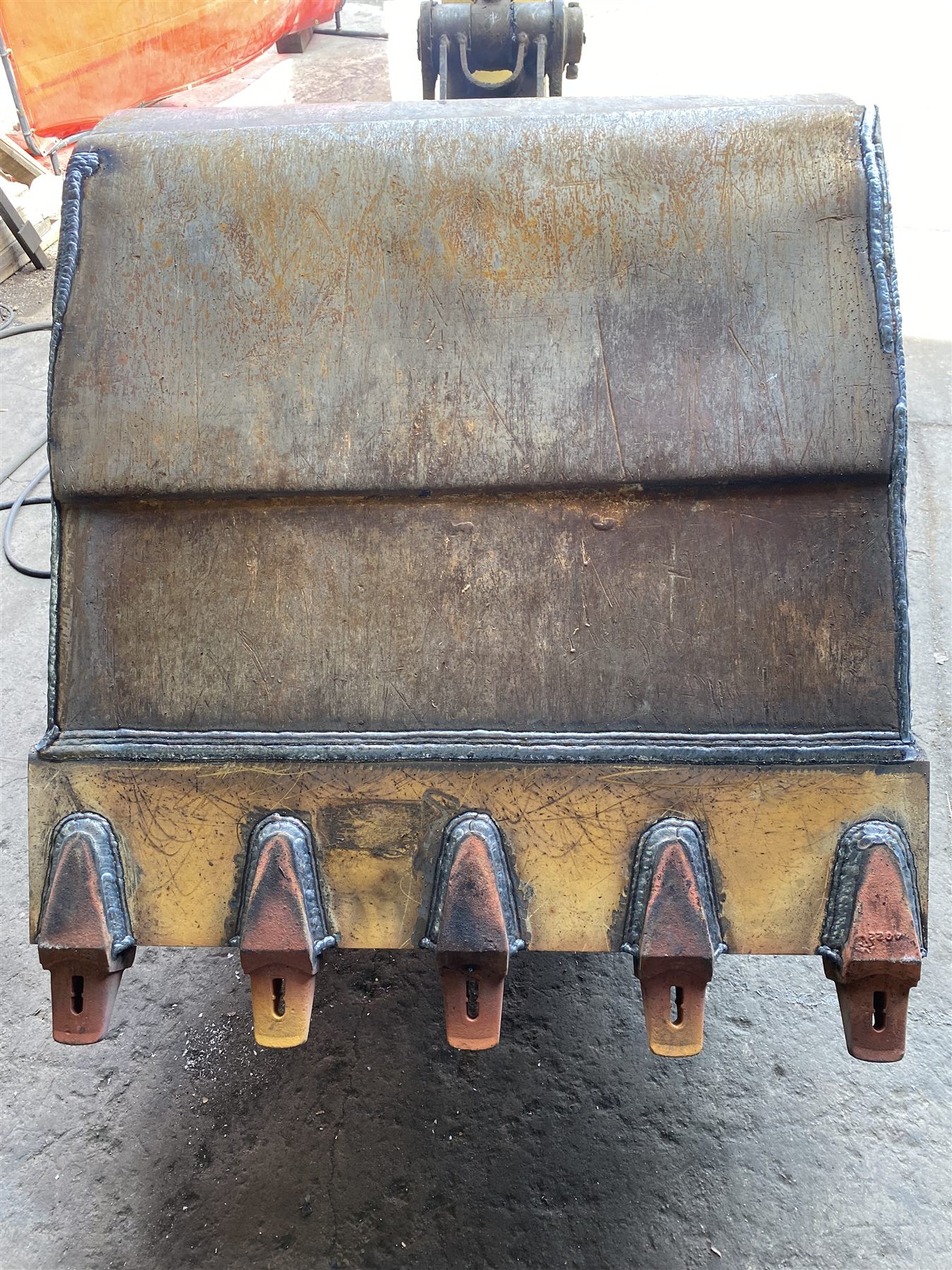
Bucket repair
Cracked shells, worn cutting edges, and loose or broken teeth adapters on excavator and loader buckets.
Mobile welding & fabrication · Treasure Valley, Idaho
Heavy equipment welding repair across the Treasure Valley — cracked buckets, worn edges, broken attachment mounts, boom and stick cracks, and frame repairs. When a machine goes down, we bring the welder to it so you are not hauling a dead machine to a shop. Shop service available for anything that can travel.
Heavy equipment welding across the Treasure Valley
A down machine is not just a repair bill — it is a stalled job, idle crew, and a rental clock that keeps running. Excavators, loaders, backhoes, dozers, and skid steers all take a beating, and steel that works that hard eventually cracks, wears, or tears. When it does, the last thing you want is to load a broken machine and haul it across the valley to sit in a shop queue.
That is why heavy equipment welding is built to come to you. Idaho Welding Service runs mobile calls for contractors, farmers, and equipment owners across Boise, Nampa, Meridian, Caldwell, Eagle, Star, Kuna, and Middleton. Cracked bucket on a job site, a broken quick-attach plate, a boom that split at a weld, or a loader arm that finally gave out — we show up stocked and weld it where the machine sits.
Most heavy equipment welding repair calls start the same way: something cracked and it stopped the job. Call or text photos with your location and you will get a straight answer on what the fix likely looks like, what it costs, and whether field or shop repair makes more sense — before anyone rolls a truck.
Common heavy equipment repairs
Working equipment fails in predictable places — the high-stress corners, the wear edges, and the pins and mounts that take the load every cycle. Most heavy equipment welding calls fall into a short list, and none of them need a trip to a shop to diagnose.
Two worlds, same welder
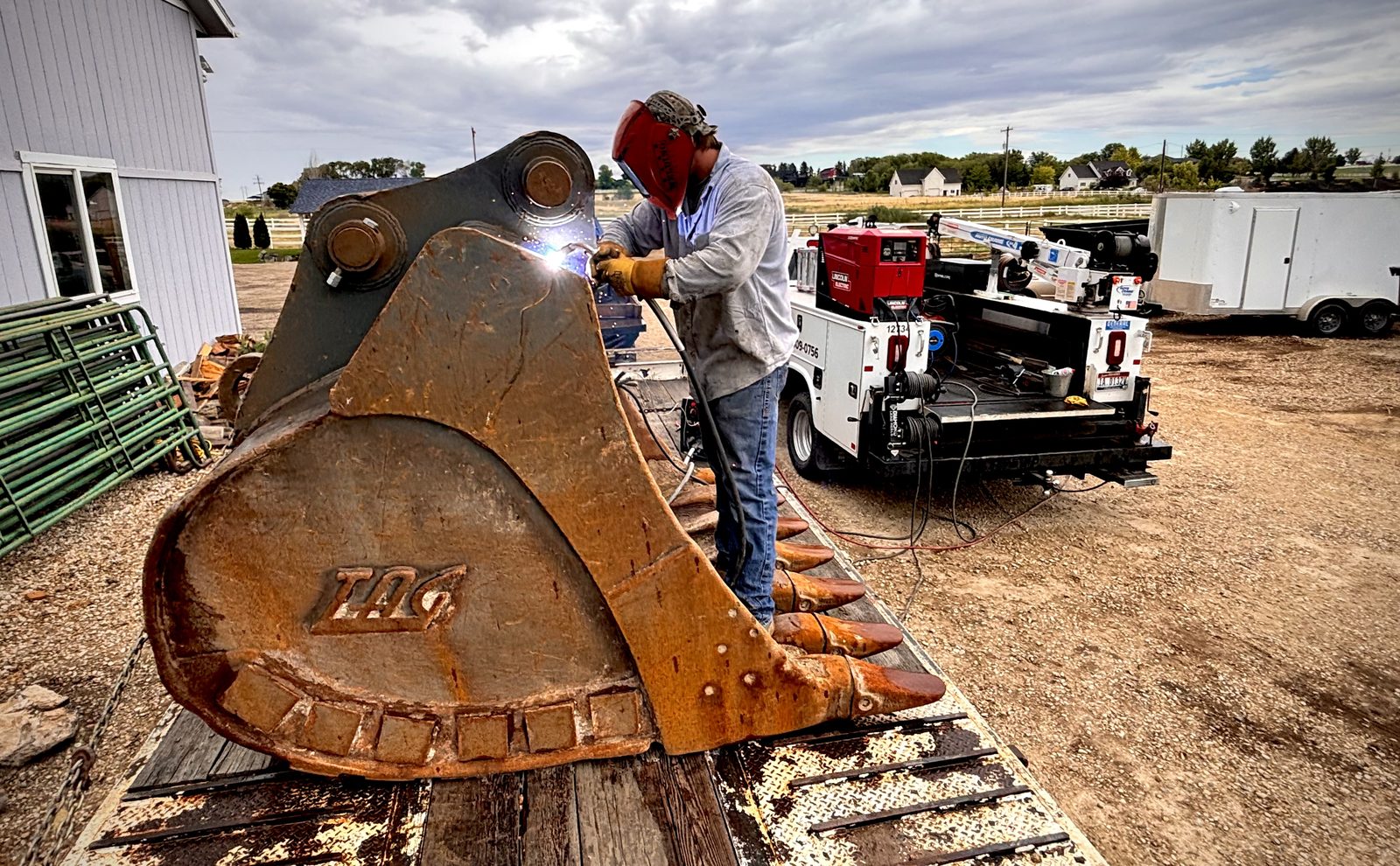
On a job site, buckets take the worst of it — cracked shells, worn cutting edges, and teeth adapters that shear off in rocky Idaho ground. Beyond buckets, it is cracked quick-attach plates, broken attachment mounts, thumb and blade repairs, and cracks that open up in booms and sticks where the steel flexes every cycle. We weld the crack out, then gusset or plate the high-stress areas so the repair outlasts the last one. Ask about wear plate and hardfacing for edges that grind down fast.
Farm equipment welding repair is its own animal — loader arms and bucket edges worn thin, hay equipment that flexes and cracks, implements and cultivators that hit rocks, and three-point hitches and drawbars that take a beating. When a machine goes down in the middle of a season, hauling it in is not an option. We come to the farm, weld it in the field, and reinforce the parts that keep failing so you can get back to work before the weather turns.
Why heavy repairs are different
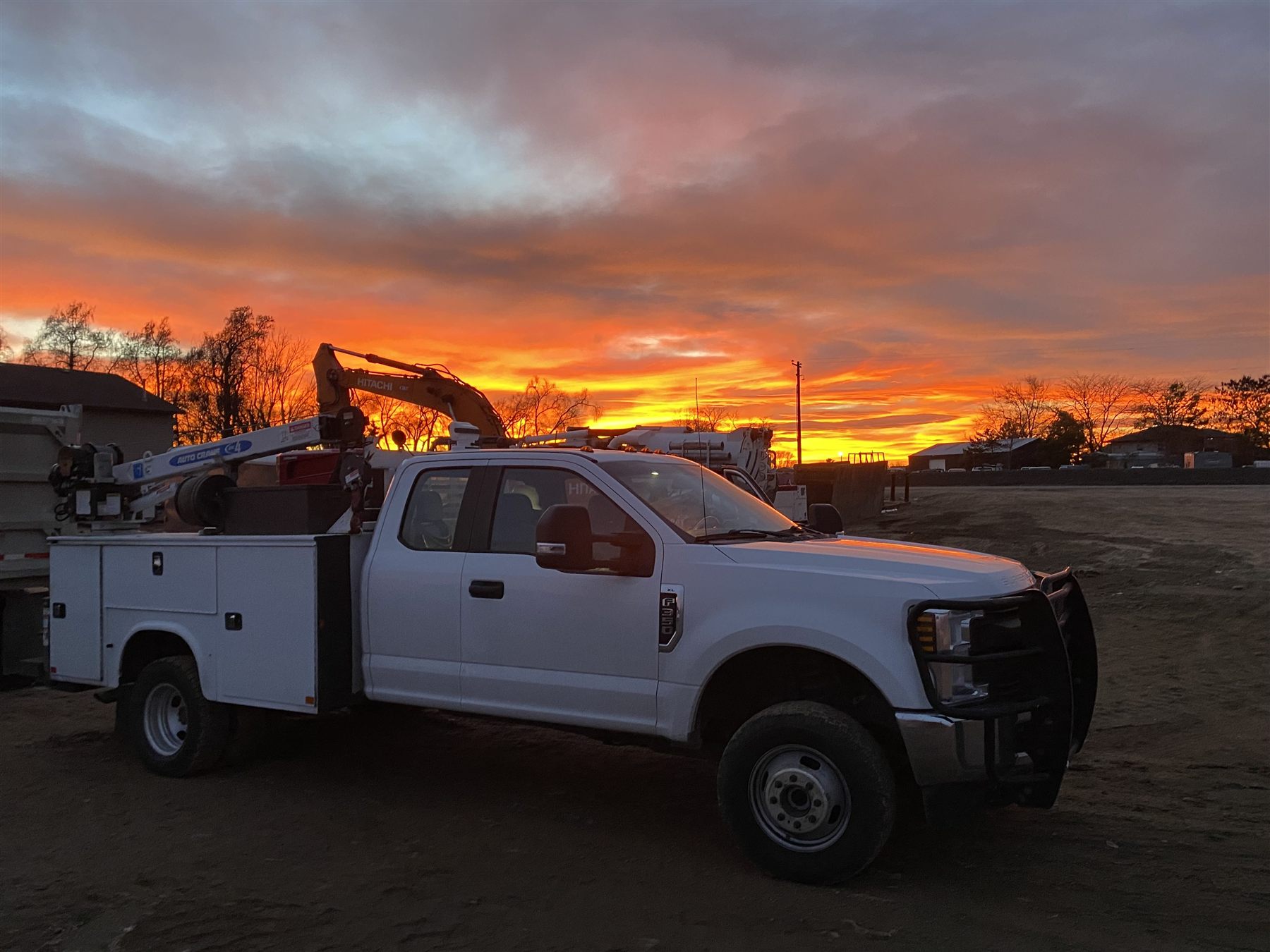
Heavy equipment welding rarely happens in a clean shop. Wind, thick plate, and awkward positions are the normal working conditions — so process choice matters. Stick and flux-core welding hold up outdoors where shielding gas would blow away, MIG earns its keep on cleaner shop repairs, and the machine on the truck runs all of them, so the job gets the process that fits the conditions instead of the one that's convenient. Welding power rides along too — a machine dead in the middle of a field is exactly the kind of call this service exists for.
A crack in a bucket or attachment mount didn't start where you can see it. A repair that lasts starts with grinding or gouging the crack out completely and keeping it from running further — then welding with filler metal matched to the steel and the loads the part actually carries, for strength and impact toughness, not just looks. Where wear is the real problem, ask about wear plate and reinforcement so the same failure doesn't come back next season.
What we fix
A short list of the most common heavy equipment welding repairs — most done in the field, with shop service available for anything that can travel.
Cracked shells, worn cutting edges, and loose or broken teeth adapters on excavator and loader buckets.
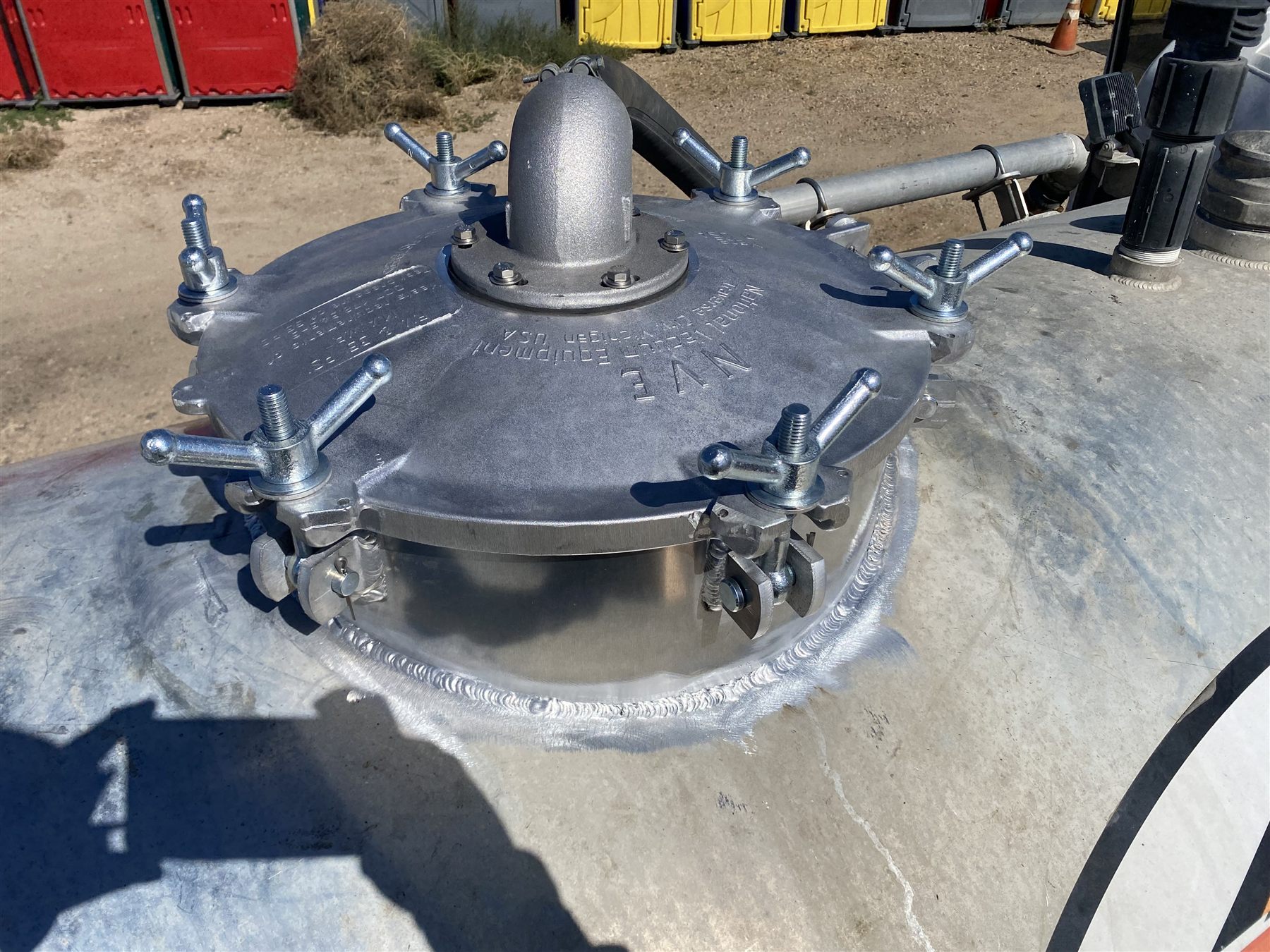
Cracked attachment mounts, quick-attach plates, and bracket ears re-welded and reinforced.
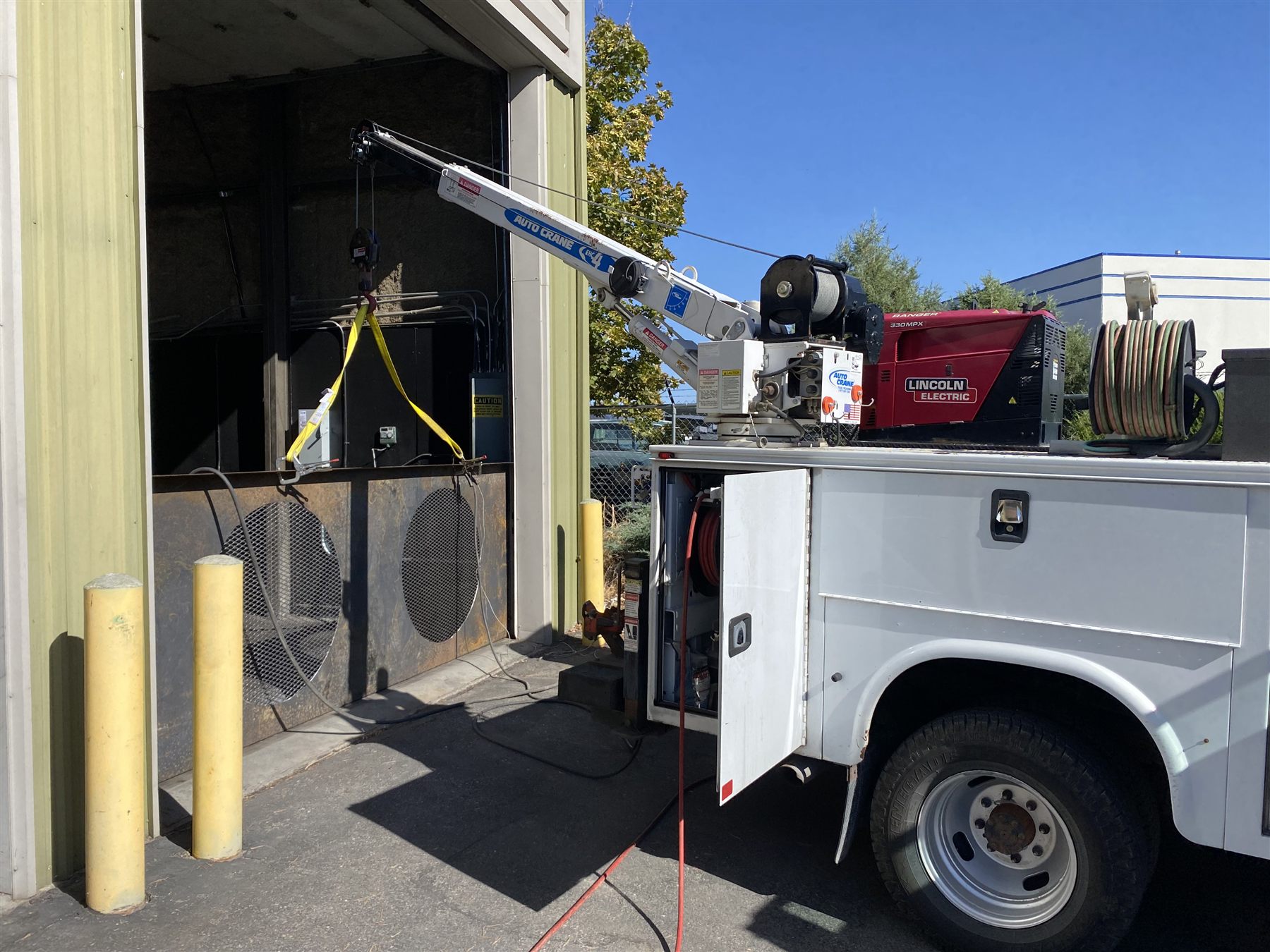
Cracks in booms, sticks, and thumbs welded out and gusseted where the steel flexes hardest.
Buckets, forks, grapples, and plates repaired so your skid steer keeps earning.
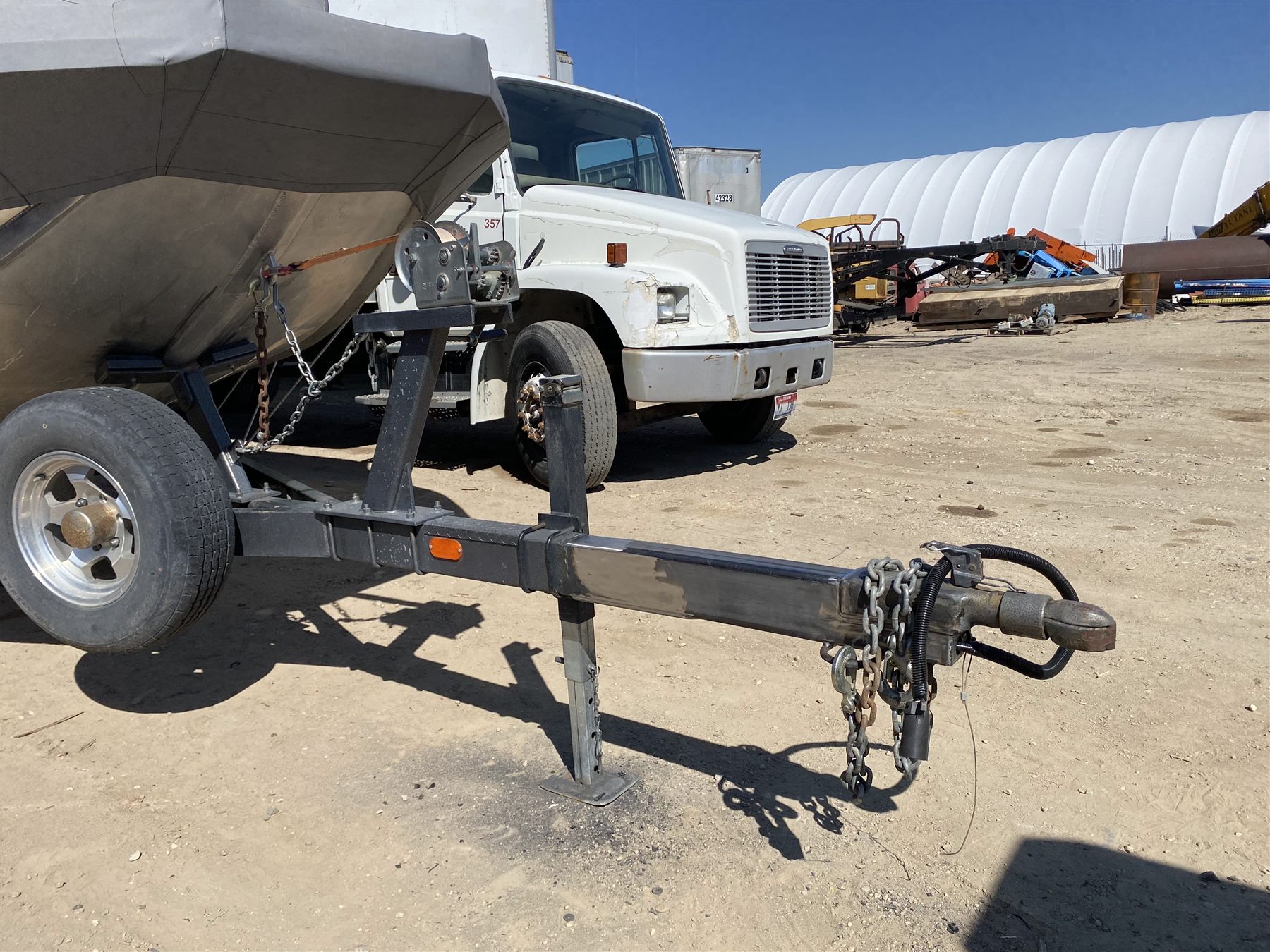
Loader arms, hay equipment, implements, and three-point hitches welded and reinforced.
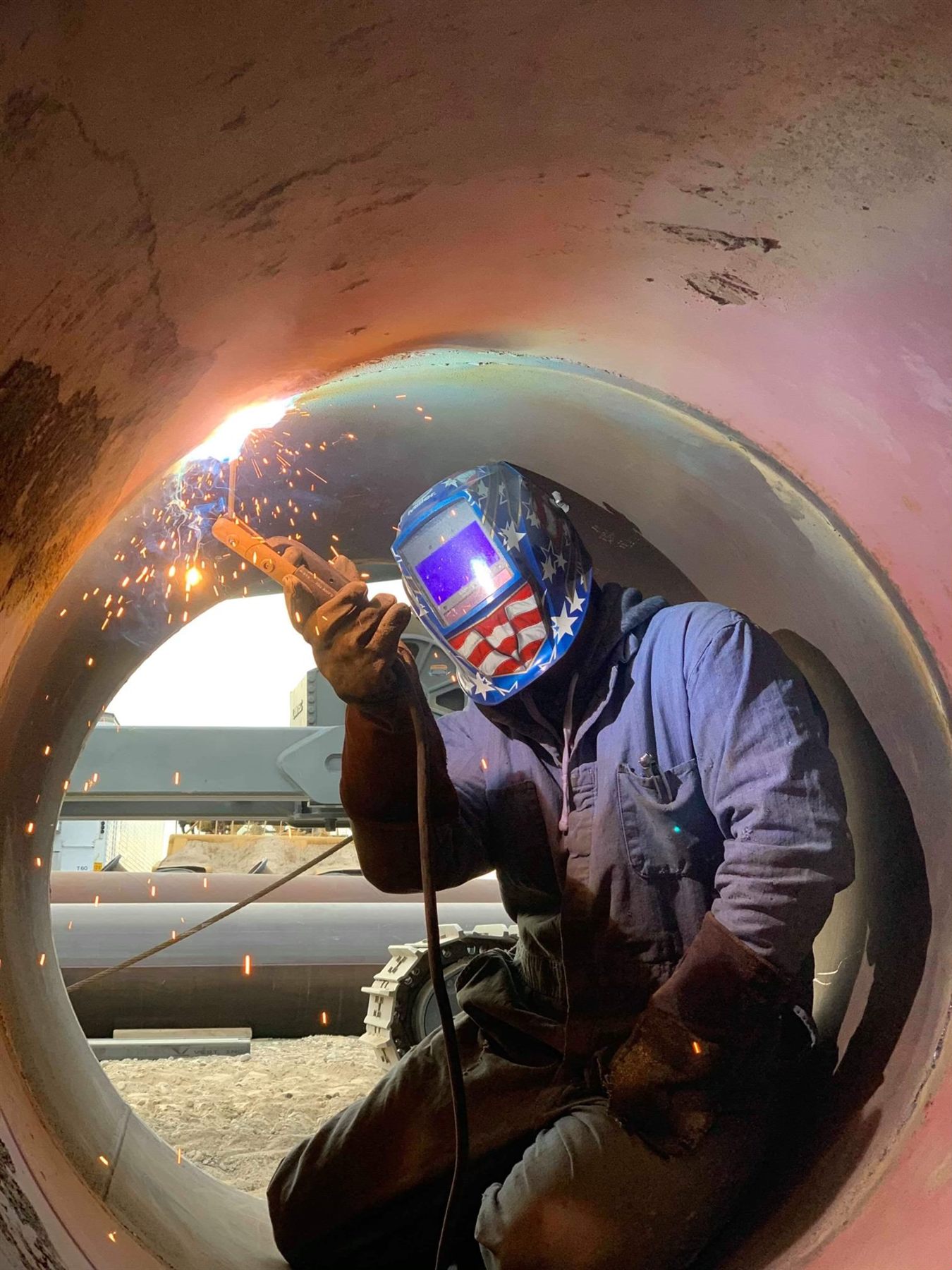
When a machine cannot move, we bring the welder to it and fix it where it sits.
Field repair or shop
Some heavy equipment welding is faster in the field, and some is cleaner in a shop. The right call depends on the damage, the access, and whether the machine can move at all. Here is how we think about it — and either way, you get a straight answer before the work starts.
When a machine is down in a pit, a field, or the middle of a job site and can not be driven or loaded, we come to it. Bucket cracks, mount repairs, and boom fixes all get handled where the machine sits.
Text your location →Detachable buckets, attachments, and smaller implements are often cleaner to fix in the shop — better access, better position, and a tidier weld. If it can travel, shop service is on the table.
Call 208-409-0756 →Equipment breaks when it breaks, and a down machine on a deadline can not wait. If a machine goes down and it is costing you money, call — after-hours mobile welding calls are welcome.
Call 208-409-0756 →How we work safely
Heavy equipment welding safety starts long before the first arc. A loader arm or excavator bucket held up on hydraulics is storing energy — if a line lets go or a cylinder drifts while someone is underneath, a raised attachment comes down hard, so it has to be lowered or blocked first. Batteries left connected can push welding current through sensitive electronics and cook a control module, so they come off before any work begins. Fuel and hydraulic lines that sit inches from the repair will catch a spark or soak up enough heat to fail. And in a dry Idaho summer, grinding sparks landing in a field or a job-site weed line start fires. None of that is theoretical — it is why equipment repair welding is treated as its own hazard, not just welding outdoors.
A professional call starts by looking, not welding. We assess the machine and the damage first, then lock it down — attachments lowered to the ground or blocked so nothing can drop, hydraulic pressure relieved, and the battery disconnected to protect the electronics before any current flows. Fuel lines, hoses, wiring, and anything else that burns get shielded from sparks and heat, and in fire season a watch stays on the area until it is cold. Only then does the excavator and loader welding repair actually begin. It is plain, competent practice — the kind that keeps a bucket repair from turning into a bigger problem.
Why the right repair pays
On construction equipment welding, the weld is not decorative — it carries the load. A quick bead run over a crack in a loader arm or a bucket can look fine in the yard and then let go under a full load, where a failure can hurt whoever is nearby and total the part it was meant to save. A crack that is not fully removed keeps growing under the weld until the repair tears open again in the same spot. That is the difference between patching the symptom and actually fixing the steel.
A proper repair costs a little more than a fast pass — the crack ground fully out, filler matched to the steel, and reinforcement added where the load concentrates — and it lasts seasons longer instead of failing again mid-job. That is the real economics of equipment repair welding: downtime, not weld time, is what costs money. A machine down twice in a season for the same crack burns more than the stronger fix ever would, whether it is construction iron or farm machinery welding. Do it right once and the part goes back to work and stays there.
Common questions
Excavators, wheel loaders, backhoes, skid steers, dozers, and their attachments, plus farm equipment like tractor loader arms, hay equipment, implements, and three-point hitches. If it is built out of steel and it is broken, cracked, or worn, it is worth a photo and a phone call.
Yes. Field welding repair is a big part of this work. When a machine is down in a pit, a field, or the middle of a job site and can not be driven or loaded, we bring the welder and the steel to the machine and fix it where it sits so you are not paying to drag a dead machine across the valley.
Bucket repair leads the list — cracked shells, worn cutting edges, and loose or broken teeth adapters. After that it is cracked attachment mounts and quick-attach plates, thumb and blade repairs, cracks in booms and sticks, and reinforcing high-stress areas with gussets before they tear again.
It depends on the machine, the metal, the access, and how much weld time the repair takes. The fastest way to get a real number is to text photos of the damage and your location to 208-409-0756. You get a straight answer on the likely fix before any work starts.
Yes. Loader arms, bucket edges, hay equipment, implements, three-point hitches, and worn or cracked frames are common farm equipment welding repair calls. When a machine is down in the middle of a season, we come to the farm and get it back to work.
Often, yes. If a bucket, mount, or bracket keeps cracking in the same place, the fix is more than a bead — it is welding the crack out and adding gussets or plate to spread the load. Ask about wear plate and hardfacing options for edges and high-wear areas so the repair lasts longer than the last one.
Calling is fastest. You can also text photos of the damage, the machine, and where you are, and we will get back to you with the next step and a straight answer on the fix.