01
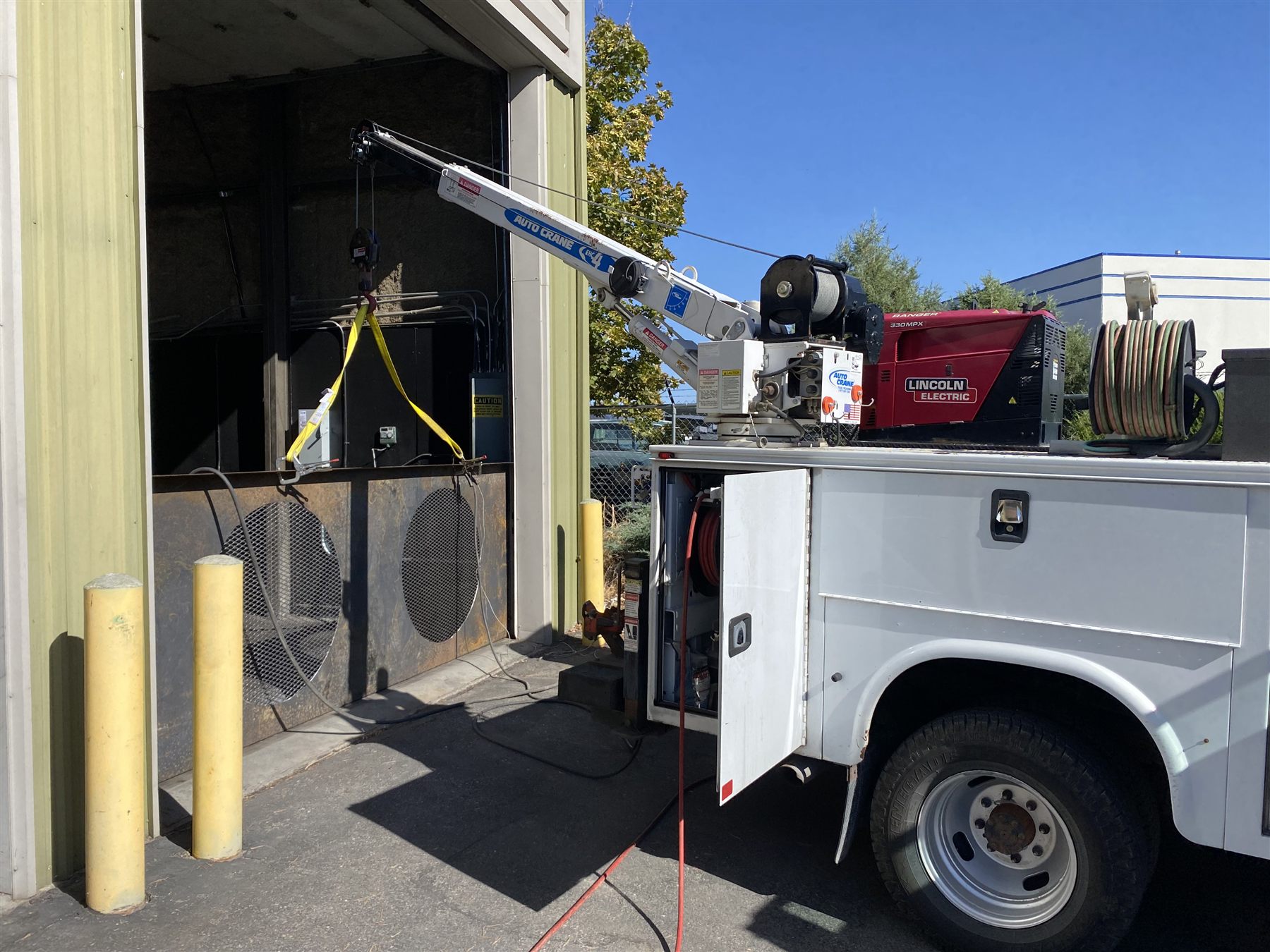
Mobile welding
On-site service across the valley for projects too large, broken, or inconvenient to move.
Stick welding & field repair · Treasure Valley, Idaho
Stick welding services across the Treasure Valley. SMAW is the rugged, portable arc welding process that runs anywhere, shrugs off wind, and holds on dirty, rusty, heavy steel. When farm equipment cracks or a repair has to hold up outdoors, this is the one we reach for.
SMAW welding, explained
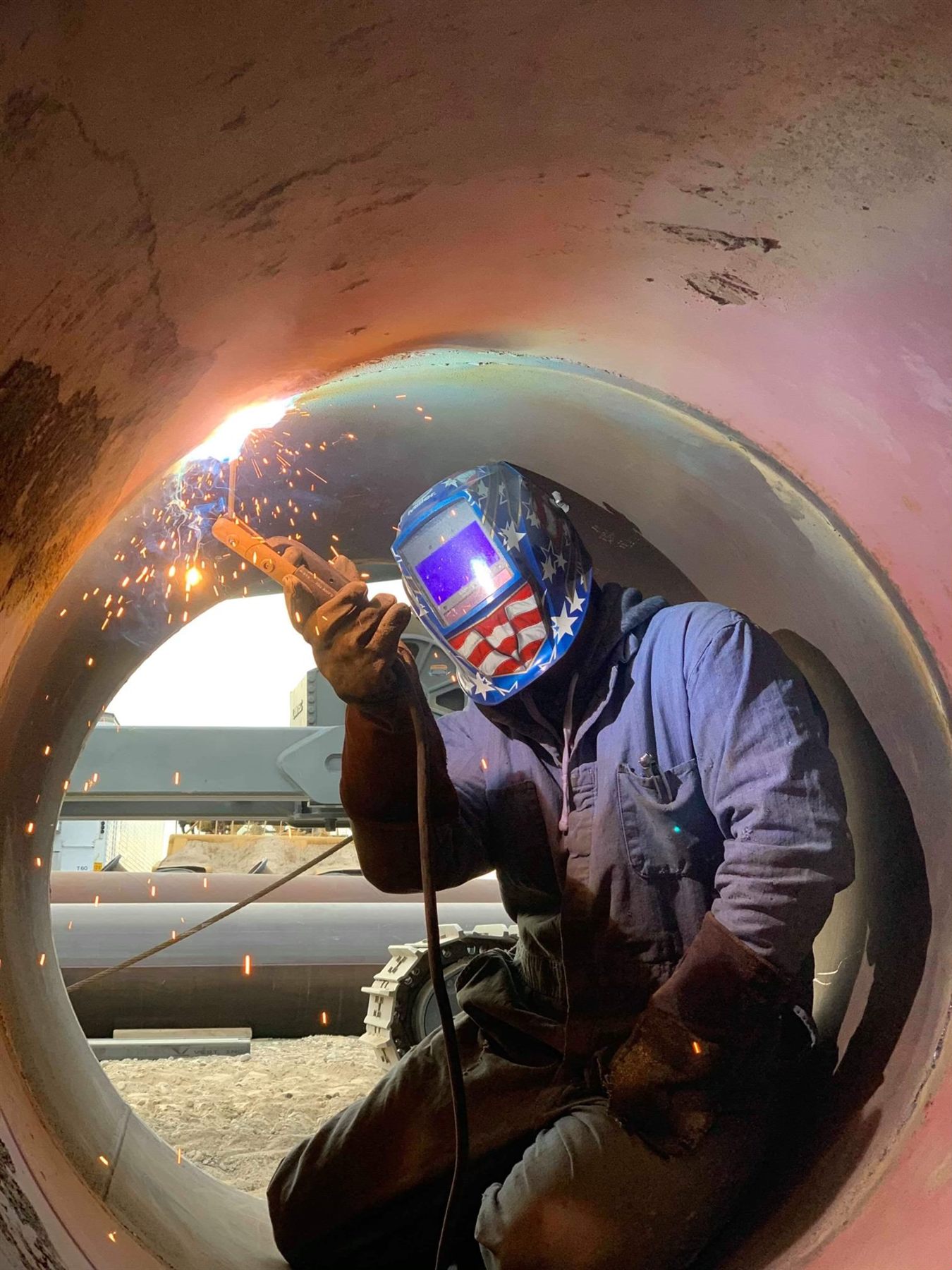
Stick welding is the everyday name for shielded metal arc welding, or SMAW. It works by striking an electric arc between a flux-coated metal rod and the steel being joined. The heat melts both, and as the flux coating burns it releases a shield that keeps the air away from the molten weld, then leaves a layer of slag on top. That slag gets chipped off after — but it's also the reason no separate gas bottle is needed.
That self-shielding design is what makes stick the workhorse of field welding repair. The gear is simple and rugged, the arc holds steady in rough conditions, and it bites through the kind of weathered, painted, or slightly rusty steel you actually find on Idaho farm equipment. For a lot of the repairs Idaho Welding Service handles across the Treasure Valley, it's the first process on the list.
Most stick calls start with something broken and holding up work. Call or text photos with your location and you'll get a straight answer on what the fix likely looks like, what it costs, and whether stick is the right process for the job.
Why stick wins outdoors
MIG and TIG both rely on a curtain of shielding gas, and a light breeze is enough to blow that curtain away and wreck the weld. Stick carries its shielding inside the rod, so wind doesn't beat it. Pair that with engine-driven power on the truck and it becomes the process that goes where the breakdown is — a back pasture, a windy corral, a driveway, a job site with no outlet for miles.
What stick is best for
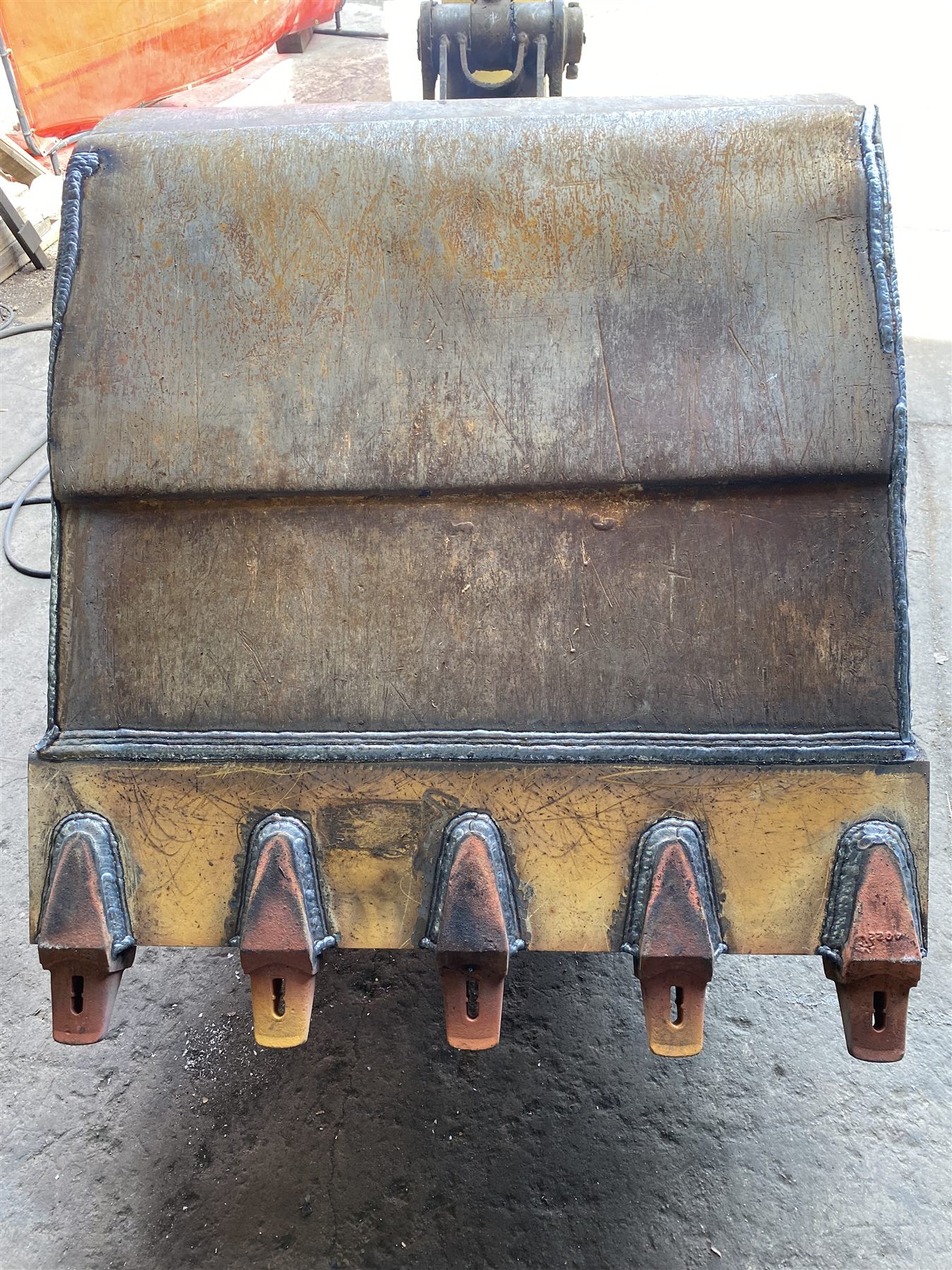
Stick shines on the thick, hard-working steel that runs a farm or a job site. Cracked buckets and attachment mounts, bent trailer frames, broken implements, hitches, and equipment brackets are all right in its wheelhouse. The deep penetration means a repair goes back to work under real load, and the process forgives the grease and grime that come with equipment that's been earning its keep.
Out in the open, stick is hard to beat. Fence and corral steel, gates, structural repairs, and outdoor brackets get welded right where they stand, wind and all. Because the process doesn't need a gas shield or a controlled shop, we can run it on livestock ground, along a field line, or on a structure already anchored in place — no tearing something down just to move it indoors.
Straight talk on the trade-offs
No single process wins everywhere, and we'll tell you when stick isn't the right one. Every stick weld leaves slag that has to be chipped and brushed off, so there's more cleanup than a clean MIG bead. It's also not the pick for thin sheet metal, which can burn through, or for cosmetic work where the finished seam needs to look flawless. For those jobs, TIG or MIG is the better tool, and we match the process to the metal rather than forcing one to fit.
In Idaho weather and farm conditions, most field repairs favor exactly what stick is good at: heavy steel, dirty surfaces, wind, and no shop power. That's why the mobile rig leans on it — it's dependable when the setting is anything but ideal. Text photos of the break and your location, and you'll get a straight answer on whether stick, MIG, or TIG is the right call before the truck ever rolls.
More ways we can help
Stick is one process in the kit. Depending on the metal, the thickness, and the setting, we'll run whatever fits — and every service below can come to you across the Treasure Valley, with shop service available for projects that can travel.
On-site service across the valley for projects too large, broken, or inconvenient to move.
Buckets, attachments, cracked mounts, and field repairs for working equipment on-site.
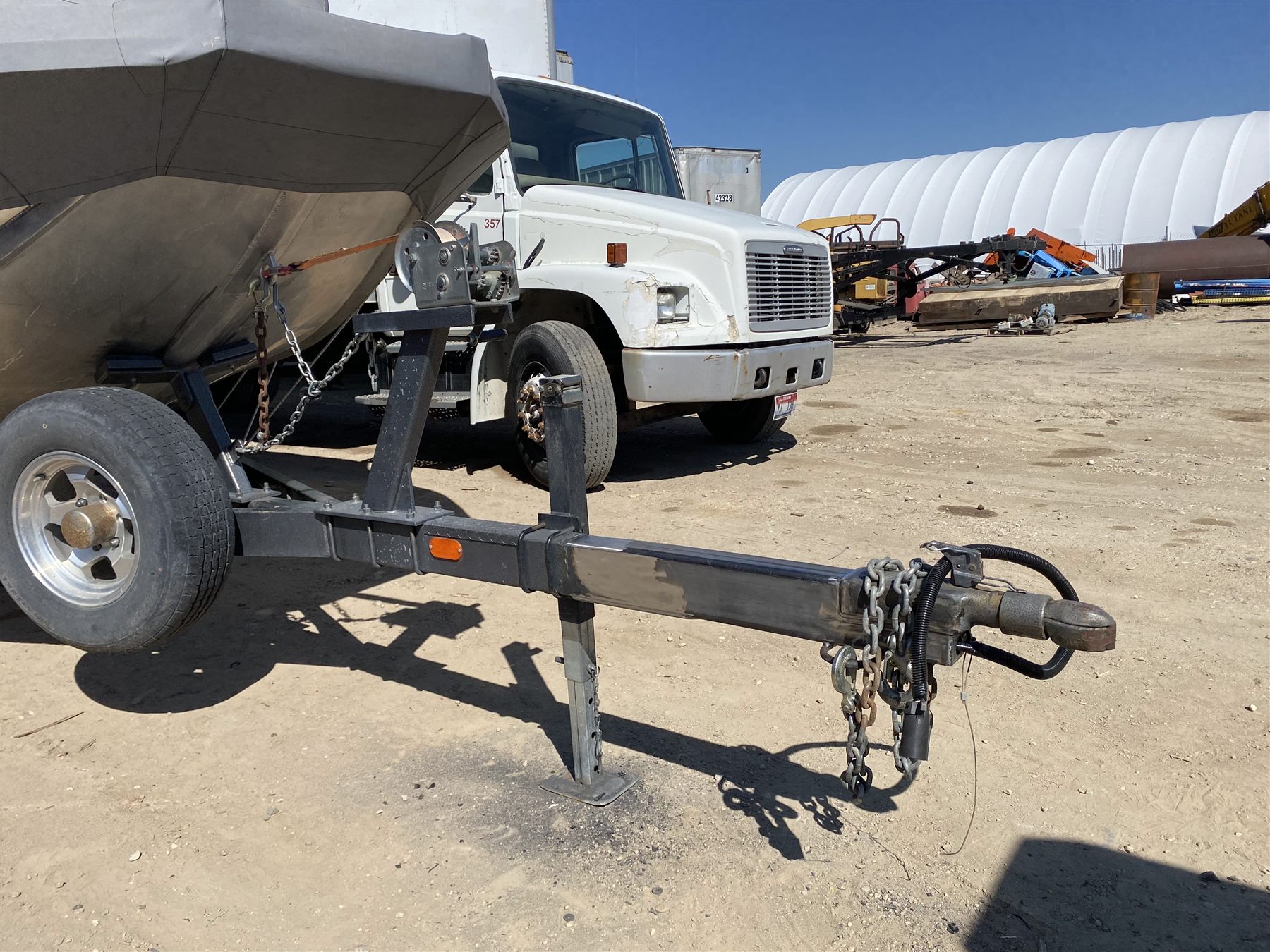
Frames, axles, ramps, hitches, and fenders fixed at your home, shop, or job site.
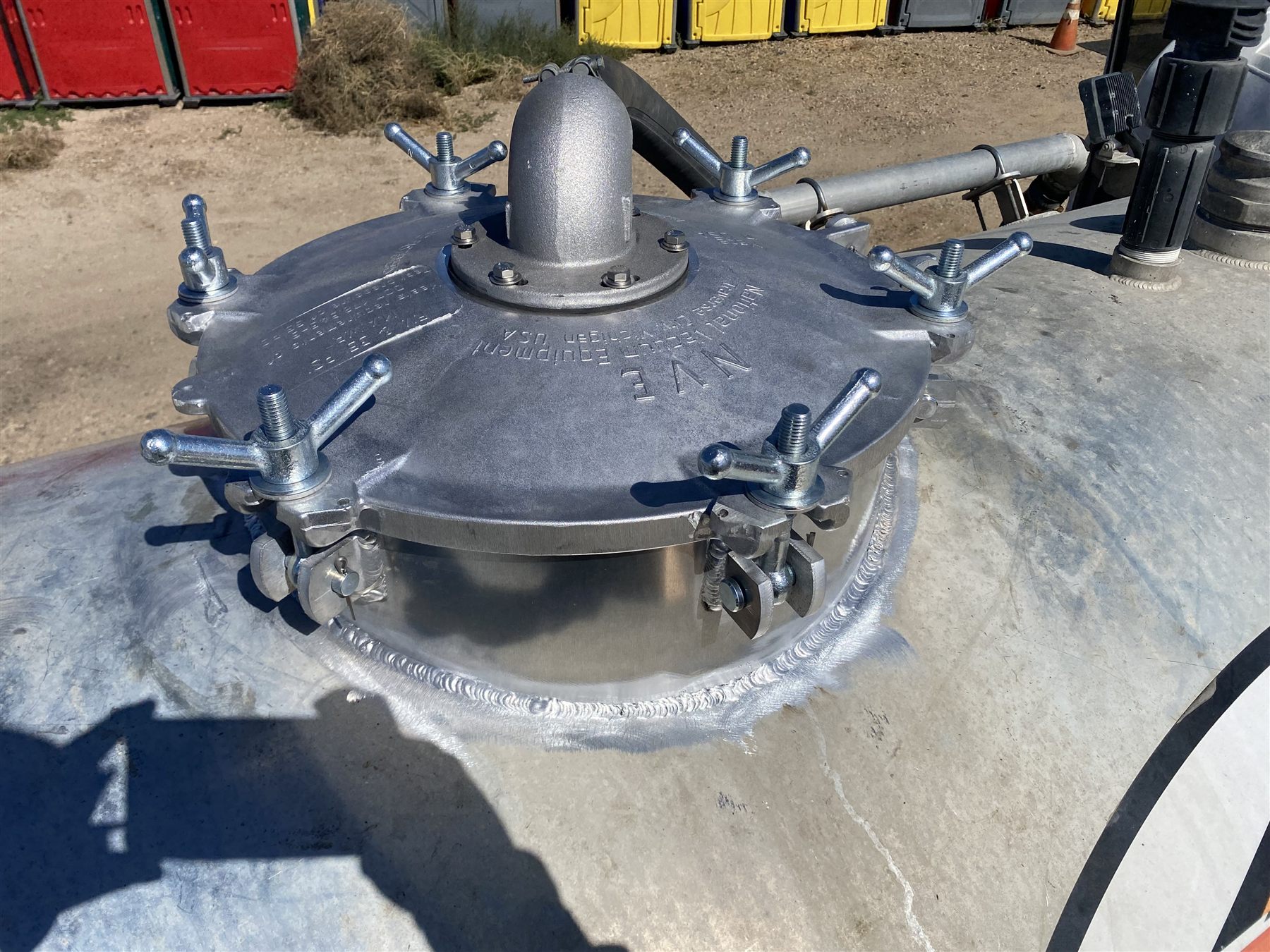
Brackets, mounts, frames, and custom metal work built around how you'll actually use it.
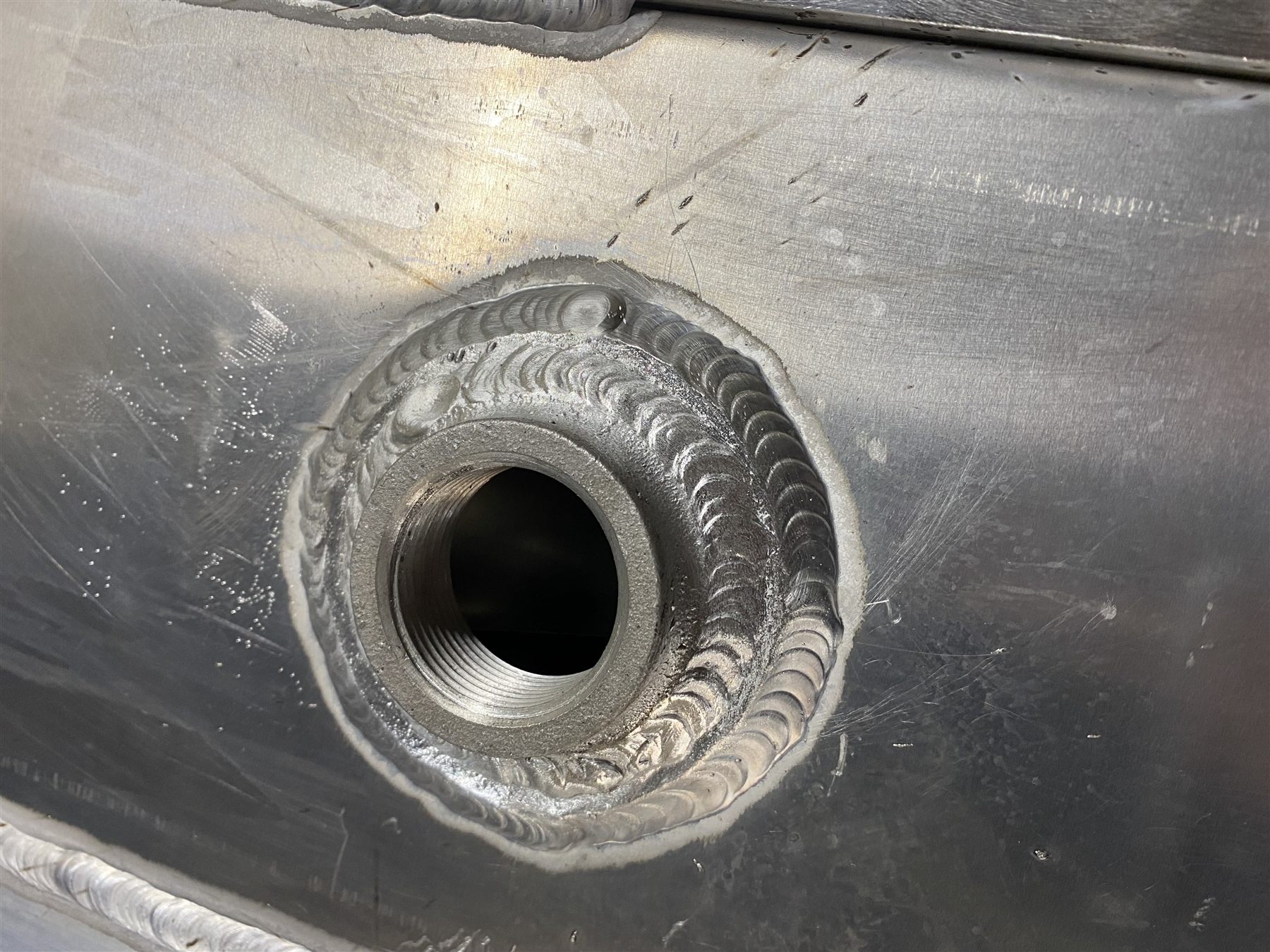
Precision welds for stainless, aluminum, and thin or cosmetic work where the finish matters.
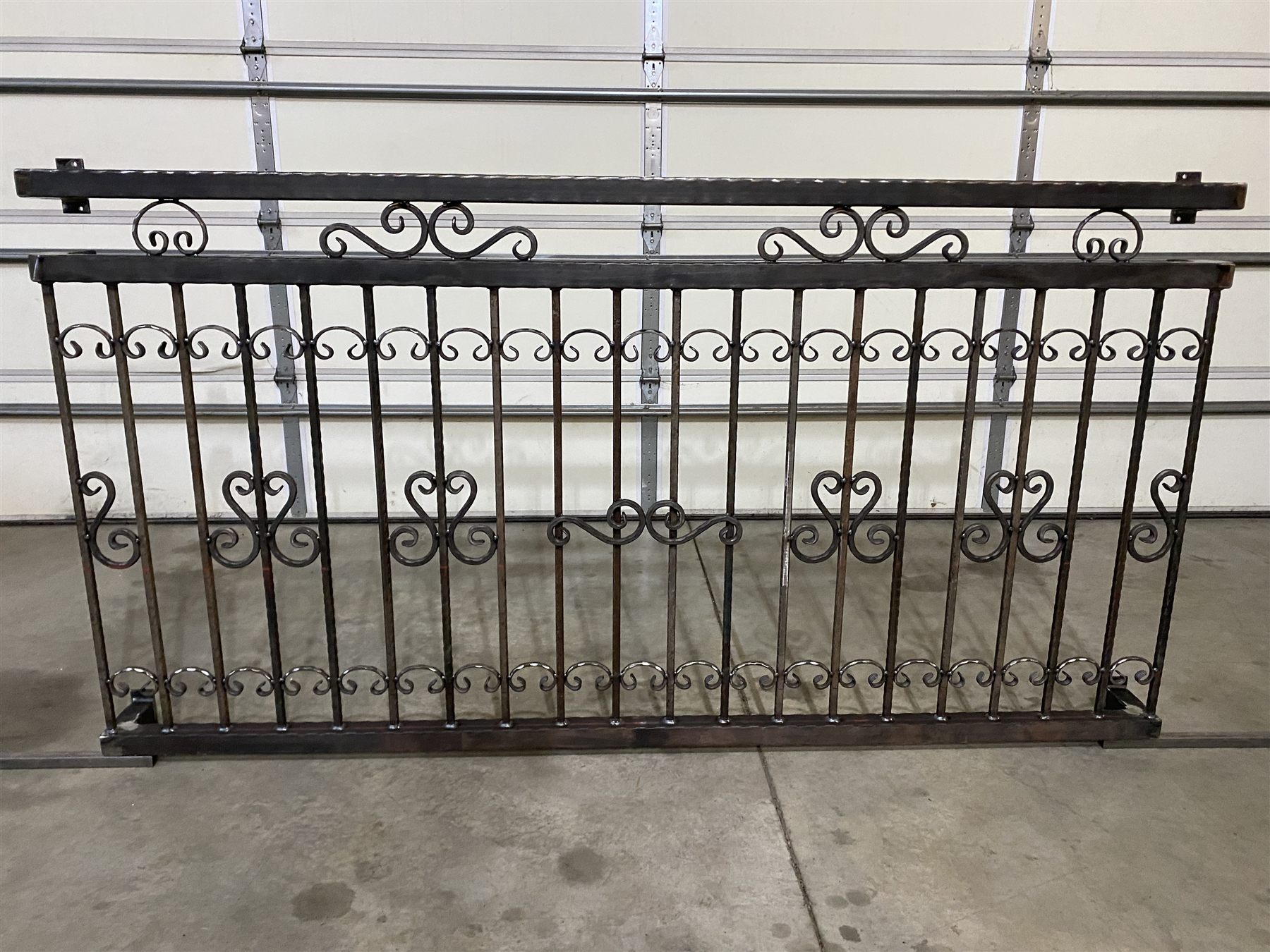
Handrails, guardrails, gates, and stairs welded in place at homes and commercial properties.
Emergency & after-hours stick welding
A cracked bucket mid-job, a busted implement in the middle of a field, a gate torn off a livestock property — the breakdowns that need stick the most rarely happen somewhere convenient. Because the process runs on its own power and doesn't care about wind, it's exactly what the truck brings to a field repair. Below is how to get the fastest quote and the fastest truck.
The single fastest way to a real number. A couple of clear photos of the break — wide and close — tells us the material, the access, and roughly the weld time before anyone drives out.
Text photos to 208-409-0756 →Where the work sits matters as much as what it is. Send the city or address with your photos so we can plan the route and roll out stocked with the right steel and rods.
Text your location →Field work doesn't wait for shop hours. If a machine or piece of equipment goes down and it's holding up work, call — after-hours and emergency field welding calls are welcome.
Call 208-409-0756 →Common questions
Stick welding is the everyday name for shielded metal arc welding, or SMAW. An electric arc jumps between a flux-coated metal rod and the steel you're joining, melting both into a strong joint. As the flux burns it shields the weld from the air, so no separate gas bottle is needed. It's the simple, rugged process that built most of the farm and field steel in Idaho.
Because the shielding comes from the rod itself, not a gas that a breeze can blow away. MIG and TIG both rely on a gas curtain that wind ruins, which makes them tough to run outside. Stick keeps laying down solid welds in an open field, a windy corral, or a driveway, which is exactly why mobile rigs lean on it across the Treasure Valley.
Heavy, dirty, real-world steel. Farm and ranch equipment, cracked buckets and attachment mounts, trailer frames, fence and corral steel, gates, and structural repairs are all right in its wheelhouse. Stick handles thick material and less-than-perfect surfaces better than most processes, so it's the first pick when a repair has to hold up under load and weather.
Better than the alternatives, yes. We still knock off heavy scale, rust, and grease so the weld bonds right, but stick is forgiving on the kind of weathered, painted, or slightly dirty steel you find on farm equipment and old repairs. That tolerance is a big part of why it's the go-to for field work where a spotless surface isn't realistic.
Every stick weld leaves a layer of slag that has to be chipped and brushed off, so there's more cleanup than a clean MIG or TIG bead. It's also not the right call for thin sheet metal, which can burn through, or for cosmetic work where the finish has to look seamless. For those jobs we reach for MIG or TIG instead and match the process to the metal.
Yes. Stick is the backbone of what the truck does. Because the rig carries its own engine-driven welding power and the process shrugs off wind and weather, we can run stick repairs on farms, job sites, and properties from Boise to Caldwell with no outlet in sight. Call or text 208-409-0756 with photos and your location for a straight answer.
Calling is fastest. You can also text photos of the damage or project, along with where you are in the valley, and we'll get back to you with the next step.