01
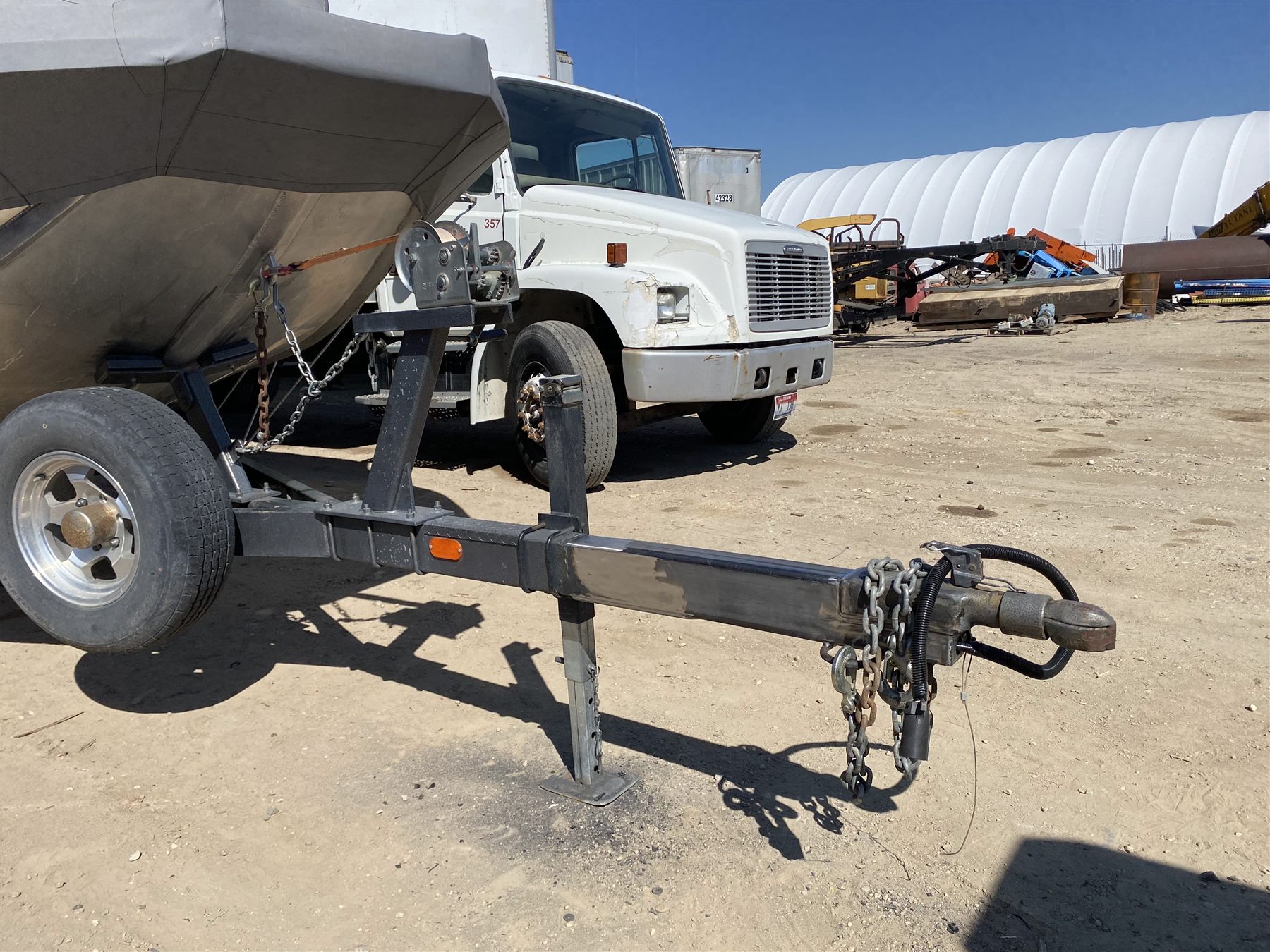
Trailer weld repair
Frames, axles, ramps, hitches, and fenders fixed at your home, shop, or job site.
Stainless & aluminum welding · Treasure Valley, Idaho
TIG and MIG welding on stainless steel and aluminum across the Treasure Valley — tanks, boxes, railings, food equipment, and aluminum trailers. These metals don't forgive sloppy work, so we prep them right and match the filler. Mobile service, or bring precise work to the shop.
Stainless & aluminum welding services
Mild steel is forgiving. You can get away with a little rust, a little scale, and a bead that ran a touch hot. Stainless steel and aluminum don't work that way. Both demand clean metal, controlled heat, and a filler that actually matches the alloy — skip any of that and the weld looks wrong, cracks later, or quietly loses the corrosion resistance you paid for.
That's why stainless and aluminum are their own category. Idaho Welding Service does clean TIG welding services and MIG welding services on both metals across the Treasure Valley — from food and beverage equipment to boat trailers and toolboxes. The prep is half the job: degreasing, wire-brushing aluminum with a dedicated stainless brush, keeping the two metals from cross-contaminating, and dialing heat so thin material doesn't warp or burn through.
The fastest way to a real answer is to call or text photos with the alloy and thickness if you know them. You'll hear back on whether it's a clean fix, what it likely costs, and whether the shop or a mobile call makes more sense — before anyone rolls a truck.
What we weld in stainless & aluminum
If it's stainless or aluminum and it needs a bead, it probably lands in one of these buckets. Repairs, modifications, and one-off fabrication — done with the right process for the alloy and finished so it holds up.
Two very different metals
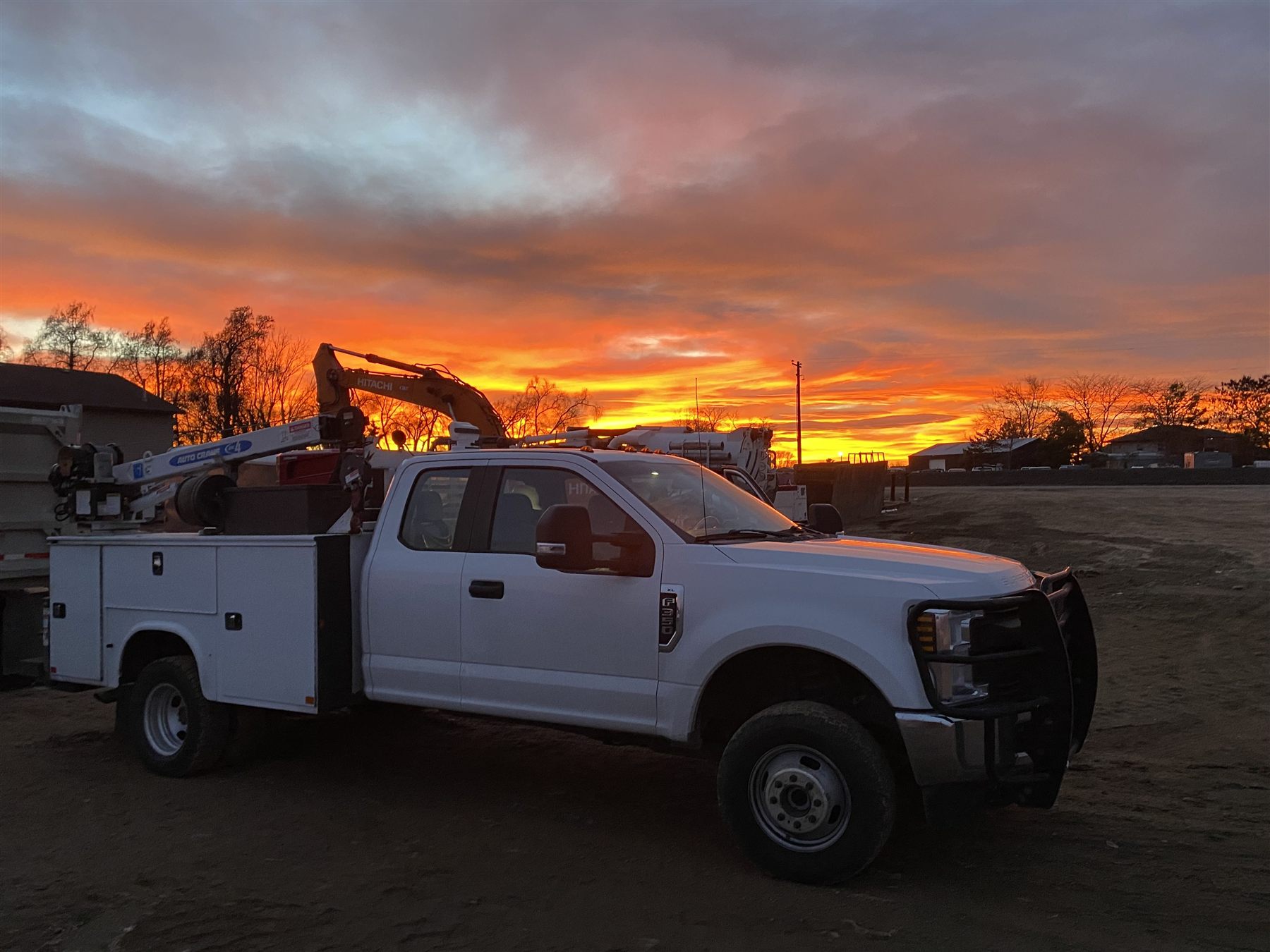
Stainless is about cleanliness and heat. It holds temperature, so too much heat warps thin sheet and burns the chrome out of the surface — that's the brown or rainbow discoloration you see on bad welds, and it's also where corrosion starts. We keep the heat controlled, use a matched filler, and keep the work clean so the joint stays as corrosion-resistant as the base metal.
Typical stainless steel welding jobs: tanks and vessels, sinks and counters, food and beverage equipment, brewery and dairy-adjacent fittings, and railings. Anything sanitary or visible usually gets TIG for the cleanest possible bead.
Aluminum is the opposite problem — it sheds heat fast and grows an oxide skin the second it's exposed, and that oxide melts far hotter than the metal underneath. So it needs real cleaning, more heat up front, and a feel for the puddle, because aluminum gives almost no color warning before it collapses. Get the prep and the technique right and it welds up strong.
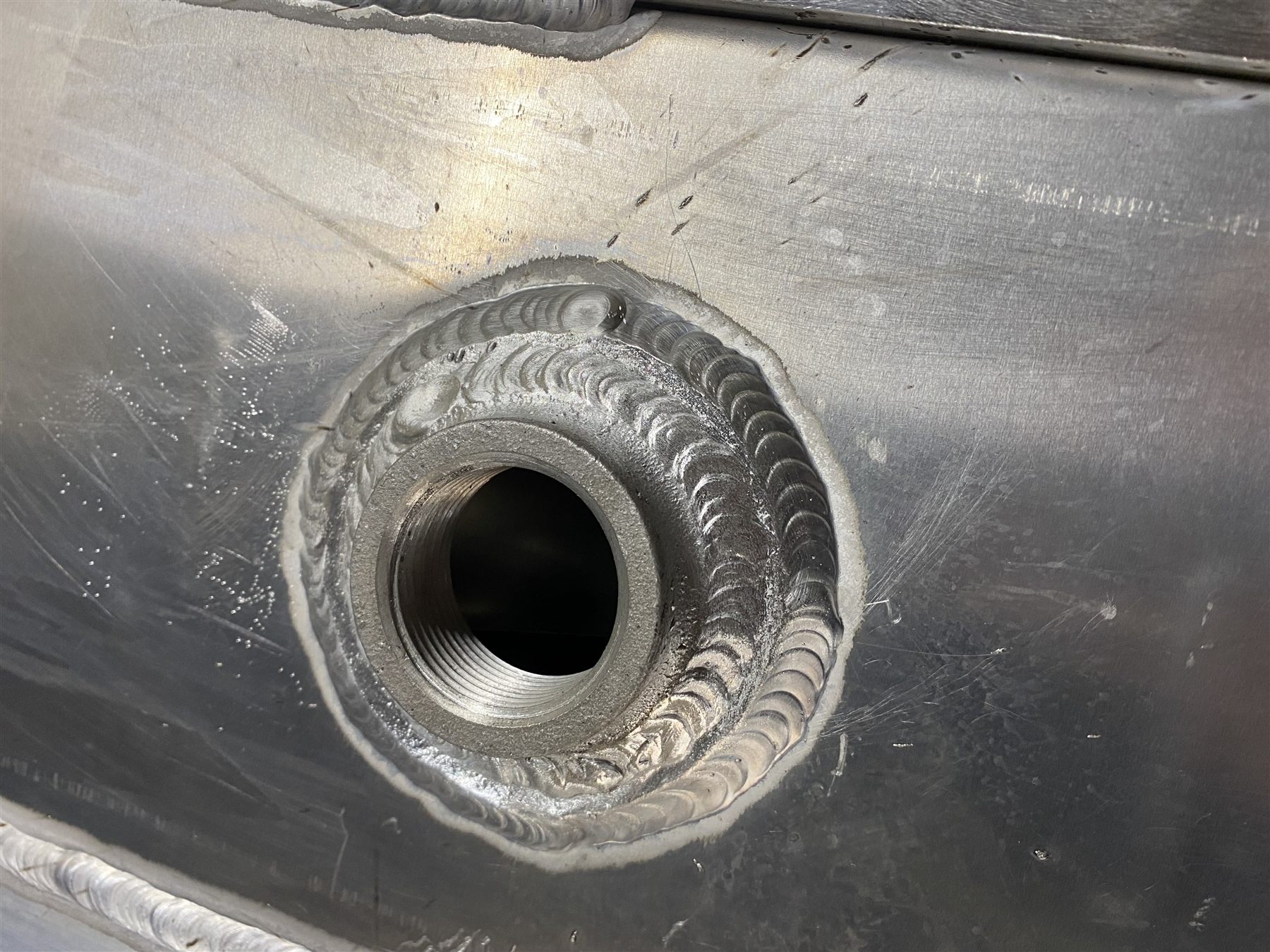
Typical aluminum welding jobs: boat and utility trailers, toolboxes, ramps, and truck beds. Aluminum trailer welding is a steady part of the work. Cracked cast aluminum is case-by-case — casting porosity means some parts repair cleanly and some don't, and we'll tell you honestly which yours is.
Why aluminum is the hard one
Aluminum earns its reputation. Three things make it genuinely harder to weld than mild steel, and all three are where DIY attempts and general shops that mostly run steel come undone. First is the oxide layer: aluminum grows a tough skin of aluminum oxide the instant it meets air, and that oxide melts far hotter than the soft metal underneath it. Weld straight over it and you trap that crud in the joint. It has to be scrubbed off mechanically, right before the arc, with a stainless brush kept only for aluminum so nothing cross-contaminates.
Second is heat. Aluminum pulls warmth away from the puddle faster than almost anything else you'll weld, so it needs more heat going in — then, once it's up to temperature, it can run away and collapse with almost no color change to warn you. Third is filler: the wrong filler alloy leaves a joint that looks fine and then cracks weeks later under vibration. Matching filler to the base alloy is the difference between a repair that lasts and one that comes back. That blend of prep, heat control, and TIG aluminum welding feel is what separates a real aluminum welding services shop from a fabricator who mostly runs steel.
Most aluminum work around the Treasure Valley is repair, not exotic one-off building. Boat and utility trailers top the list — cracked frame rails, broken cross members, tired fenders, and tongue welds that finally let go. Aluminum toolboxes and truck beds split at the corners and seams, and loading ramps crack where they flex under weight every day. All of it is straightforward aluminum fabrication and repair once the metal is cleaned and the joint is cut back to sound material.
We also handle irrigation and pump fittings, aluminum railings and gates, and light-duty specialty brackets that have to stay light but hold. Alongside the aluminum, that same clean approach carries our stainless steel welding — tanks, sinks, counters, and food-grade stainless work where the bead has to stay sanitary and corrosion-resistant. Not sure a part is even worth fixing? A couple of photos usually settles it before you spend a dime.
Everything we weld
Stainless and aluminum are one piece of the picture. From quick repairs to full fabrication builds, every service we offer runs mobile across the Treasure Valley, with shop service available for projects that can travel.
Frames, axles, ramps, hitches, and fenders fixed at your home, shop, or job site.
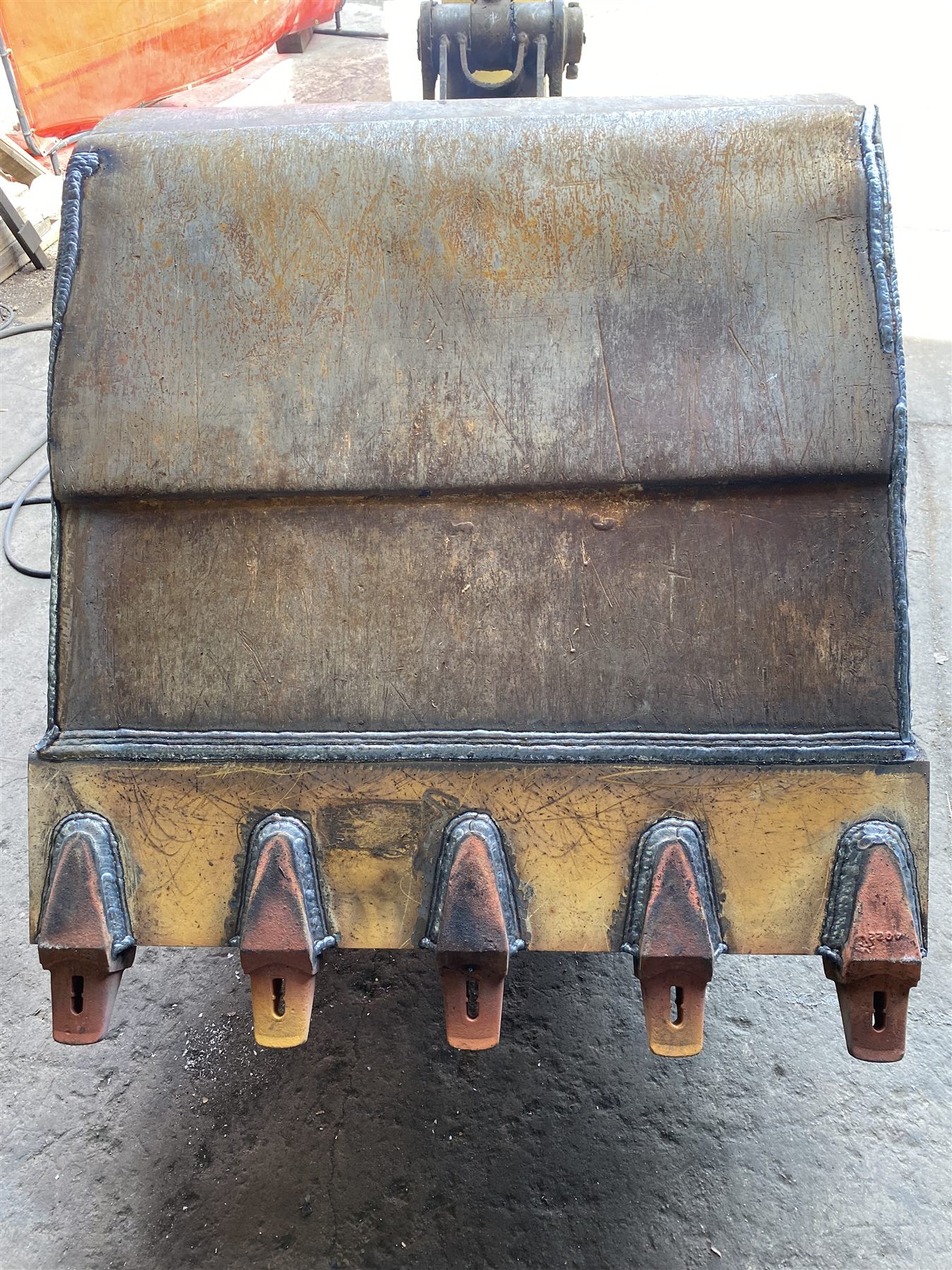
Buckets, attachments, cracked mounts, and field repairs for working equipment.
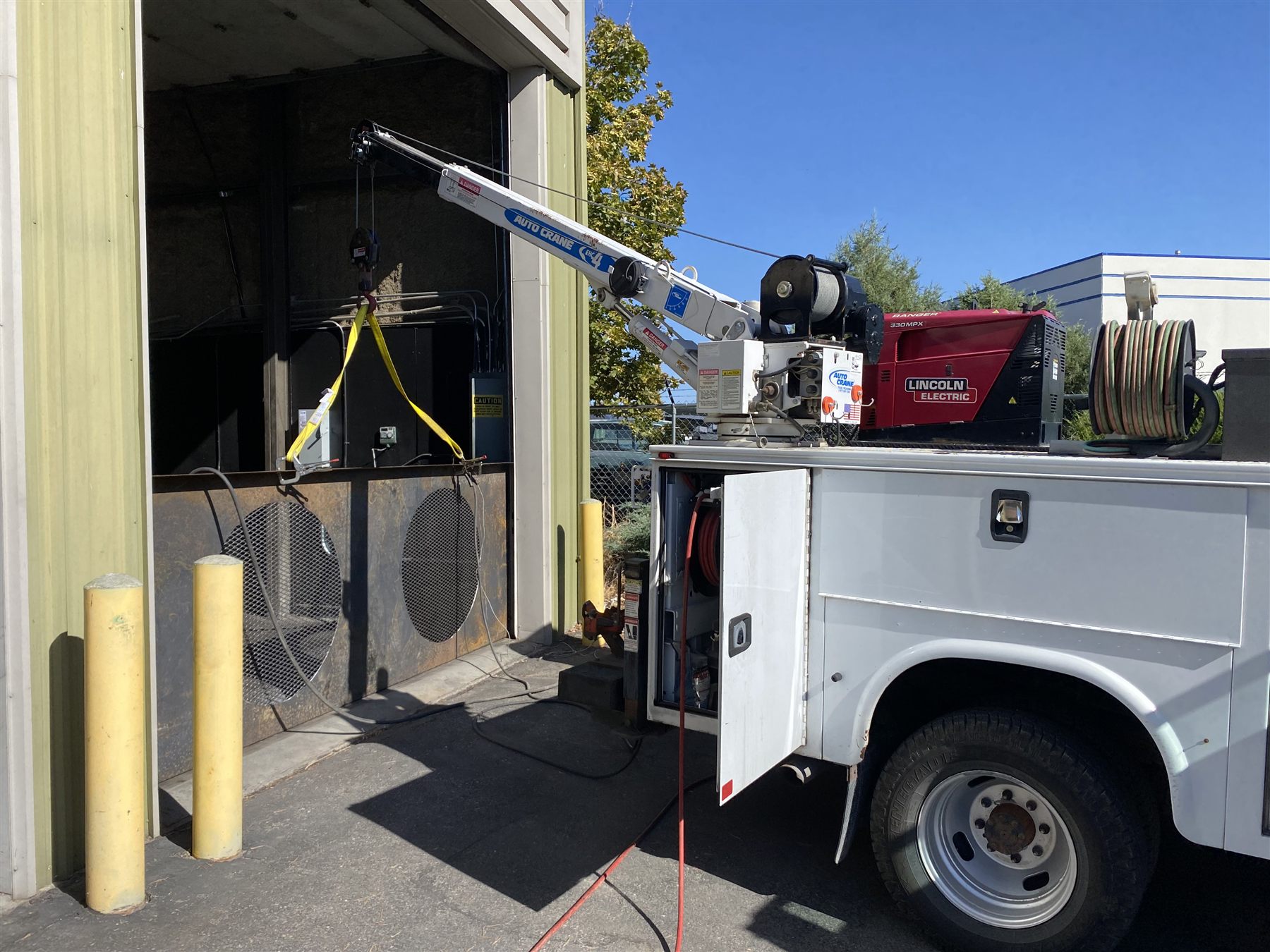
On-site service for projects too large, broken, or inconvenient to move.
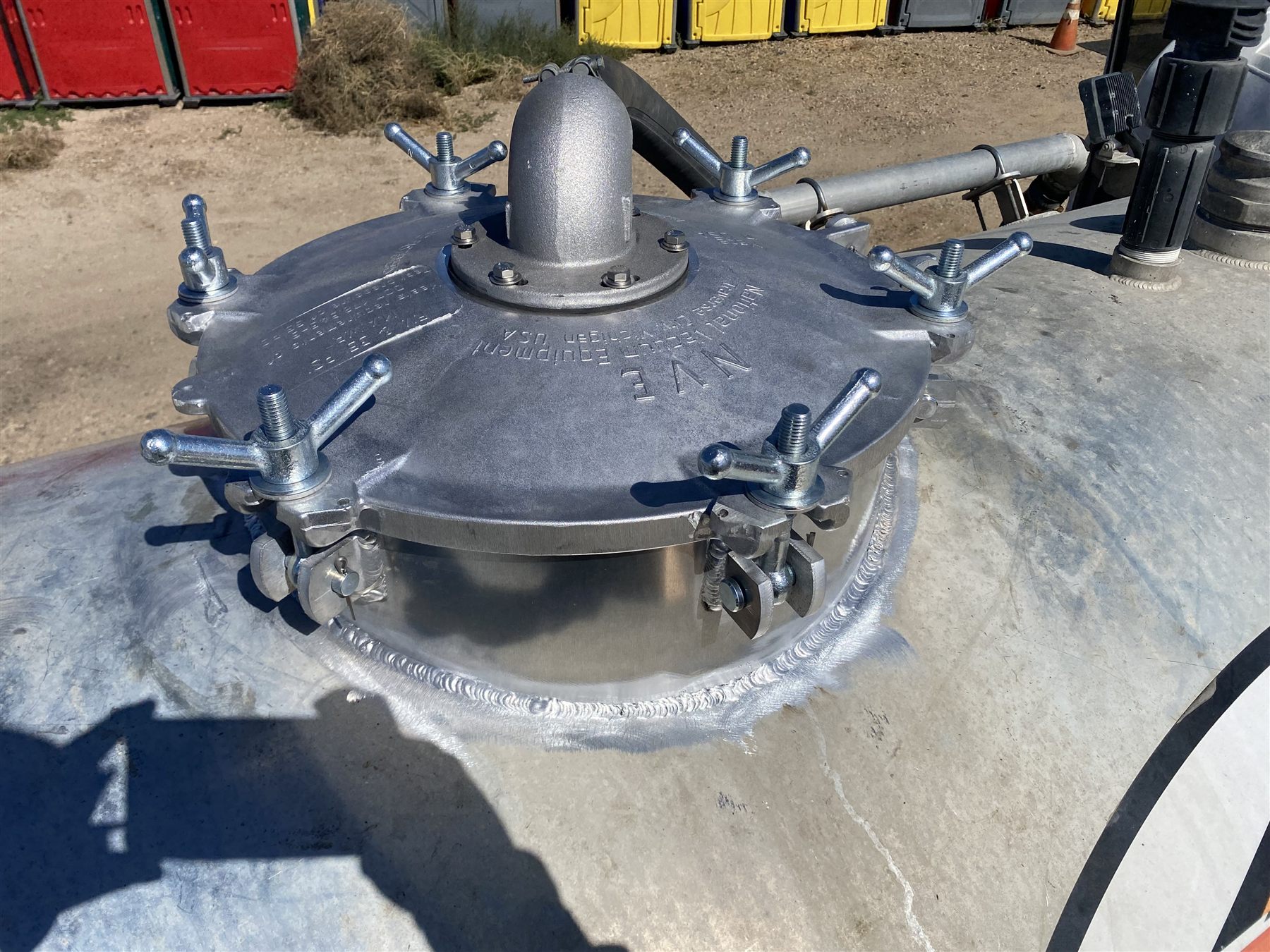
Brackets, mounts, frames, and custom metal work built around how you'll use it.
Clean TIG and MIG work for tanks, boxes, food equipment, trailers, and specialty projects.
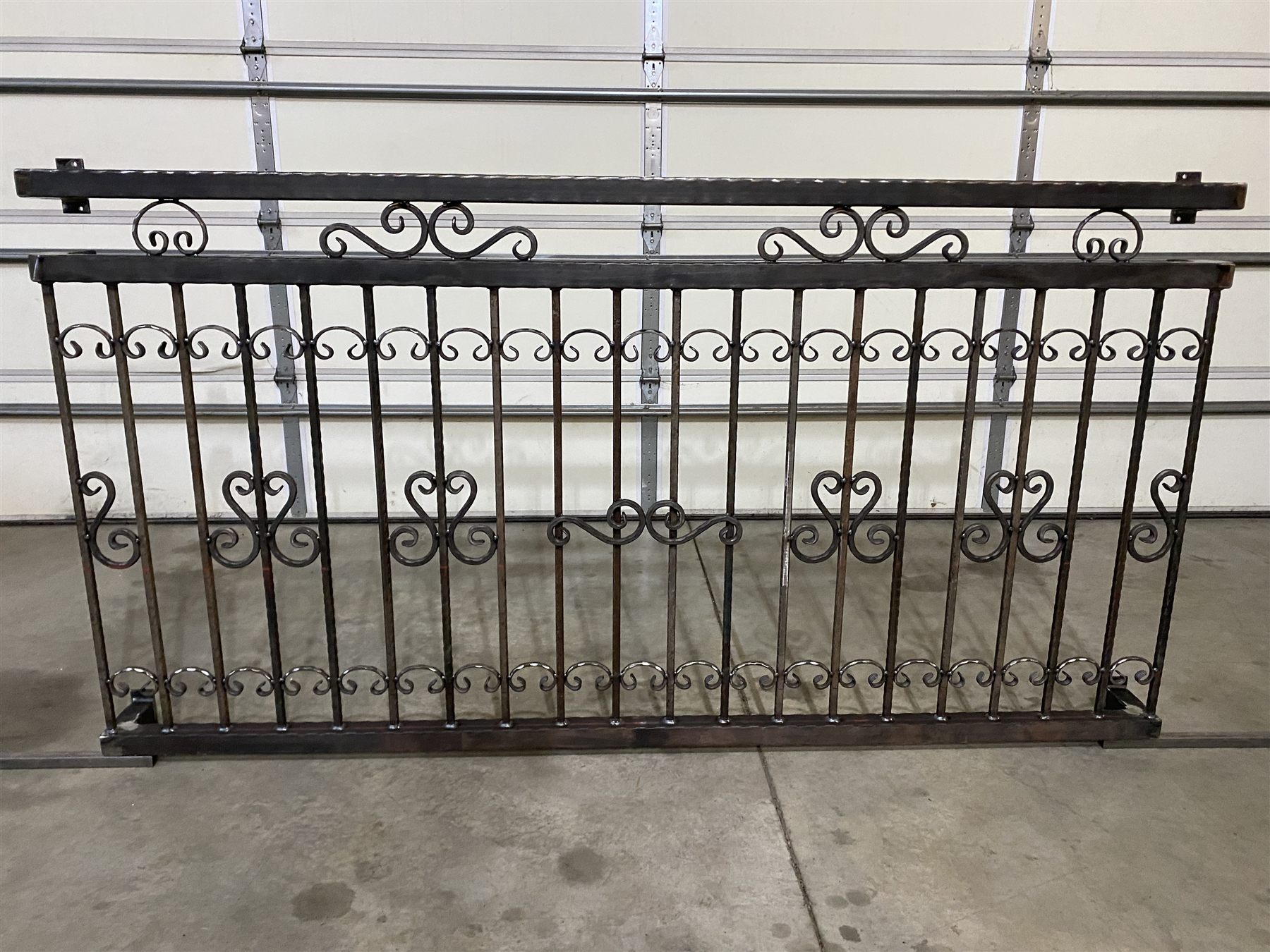
Handrails, guardrails, gates, and stairs for homes and commercial properties.
TIG or MIG — in plain language
People ask which process their job needs. Short version: TIG is slower and cleaner and gives the most control, MIG is faster and lays more metal. Neither is "better" — they solve different problems, and we pick the one that fits the alloy, the thickness, and the finish you want.
One hand feeds filler, the other controls heat — slow, precise, and clean. It's the choice for thin material, food-grade stainless, and any weld that shows. The cleanest bead we can lay.
Text us the project →A wire feeds continuously, so it moves faster and puts down more metal. Good for thicker aluminum and production-style repairs like trailers, toolboxes, and truck beds where speed matters.
Text photos for a quote →Repairs that can't move get welded on-site. But clean stainless and aluminum work comes out better out of the wind and grit, so precise pieces are often best brought to the shop. We'll say which fits.
Call 208-409-0756 →Common questions
Both metals are less forgiving. Stainless holds heat and warps or discolors if you overcook it, and it needs a matched filler and clean prep to stay corrosion-resistant. Aluminum pulls heat away fast, oxidizes the instant it's exposed, and hides its temperature until it collapses. Neither one tolerates the dirt, mill scale, or guesswork you can sometimes get away with on mild steel.
Both, depending on the job. TIG gives the cleanest, most controlled bead for thin material, food-grade stainless, and anything that shows, so it's the usual choice for visible or sanitary work. MIG lays metal faster on thicker aluminum and production repairs like trailers and truck beds. We pick the process that fits the material and the finish you need.
Yes. Aluminum boat and utility trailers, toolboxes, ramps, and truck beds are common aluminum repairs. Cracked frame rails, broken welds, torn box corners, and fatigued fenders all weld back up once the metal is cleaned and the joint is prepped. Aluminum trailer work is a big part of what we do.
Sometimes — it's case-by-case, and we'll be honest about it. Cast aluminum is porous and full of impurities from casting, so old cracked castings don't always take a repair cleanly, and some are cheaper to replace than to chase. If you text photos of the part and the crack, we'll tell you straight whether it's worth attempting before you spend anything.
It depends on the alloy, the thickness, how clean the material is, and how much weld time the job takes — stainless and aluminum both need more prep than mild steel. The fastest way to get a real number is to text photos of the project and your location to 208-409-0756. You get a straight answer before any work starts.
Both. Repairs on trailers, railings, and equipment that can't move are handled mobile across the Treasure Valley. Clean TIG work on thin or precise pieces often comes out better in a controlled shop setting, out of the wind and grit — so if a project can travel, the shop is sometimes the smarter call. Tell us the job and we'll recommend which fits.
Calling is fastest. You can also text photos of the part or project — tell us whether it's stainless or aluminum and roughly how thick — and we'll get back to you with the next step.