01
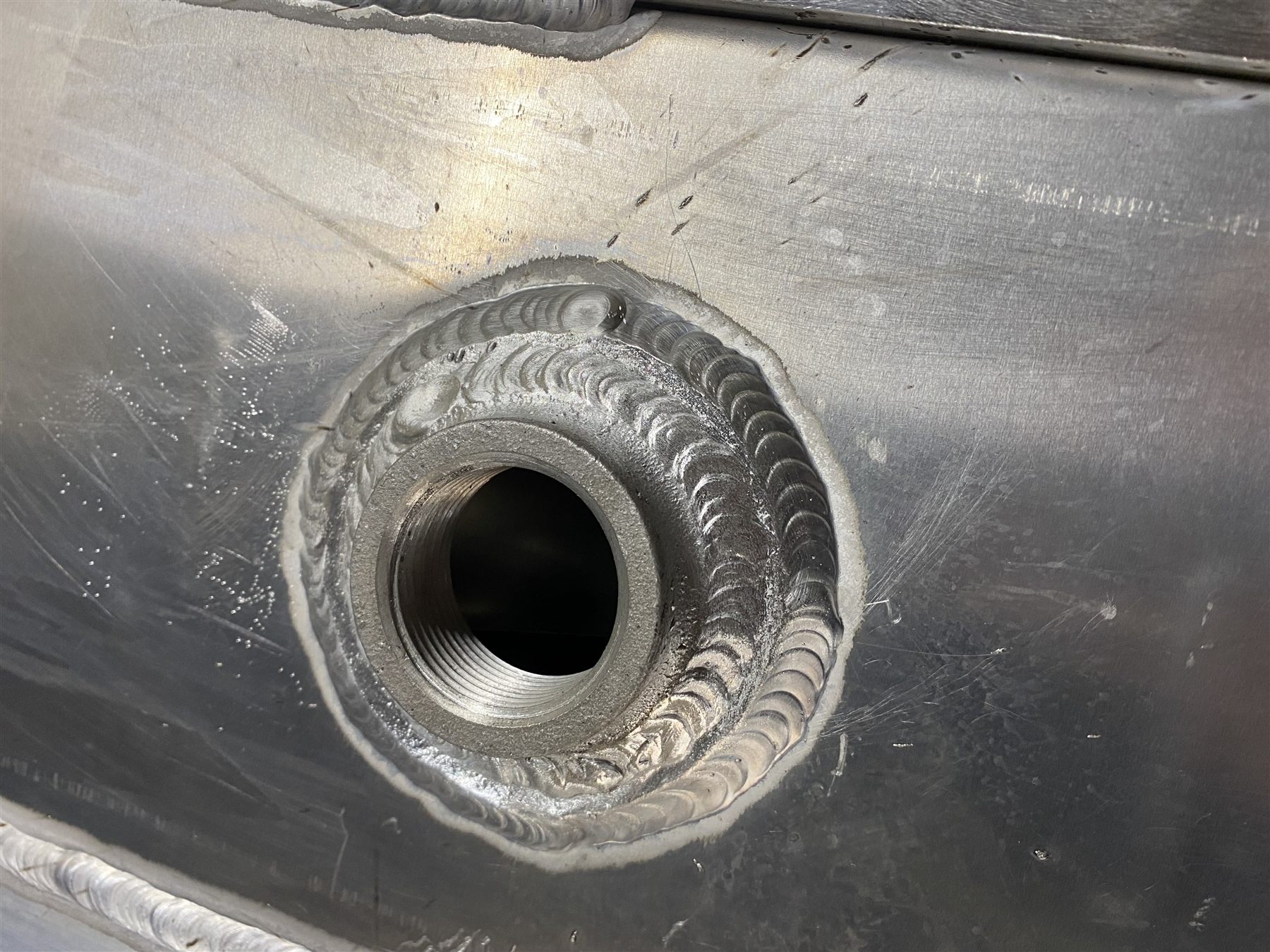
TIG welding
Fine-control welds for thin stainless, aluminum, and projects where the finish shows.
MIG welding & steel fabrication · Treasure Valley, Idaho
Fast, clean, wire-feed welding for steel fabrication and repairs across the Treasure Valley. MIG (GMAW) lays down strong, tidy beads on trailers, gates, frames, brackets, and everyday equipment fixes — in the shop or on-site where the work is.
Wire-feed welding, explained plainly
MIG welding is the process most people picture when they think of welding steel. Its full name is gas metal arc welding, or GMAW, and the idea is simple: a spool of thin wire feeds continuously through the gun while a shielding gas flows out around it to keep the surrounding air off the molten metal. Squeeze the trigger and the wire and heat both keep coming, so the weld goes down in one smooth, steady motion.
Because the wire never stops, MIG is fast and forgiving — a big reason it's the first process reached for on steel fabrication, brackets, frames, trailers, gates, and the day-to-day repairs that keep a farm, fleet, or property running. It leaves a clean bead with little spatter, which means less grinding and cleanup after the weld is done.
The short version: MIG trades a little fine control for a lot of speed and consistency. That balance is exactly why it earns its keep on most steel work. Not sure whether your project is a MIG job? Call or text photos with your location and you'll get a straight answer on the right process before any work starts.
Why MIG is the go-to process
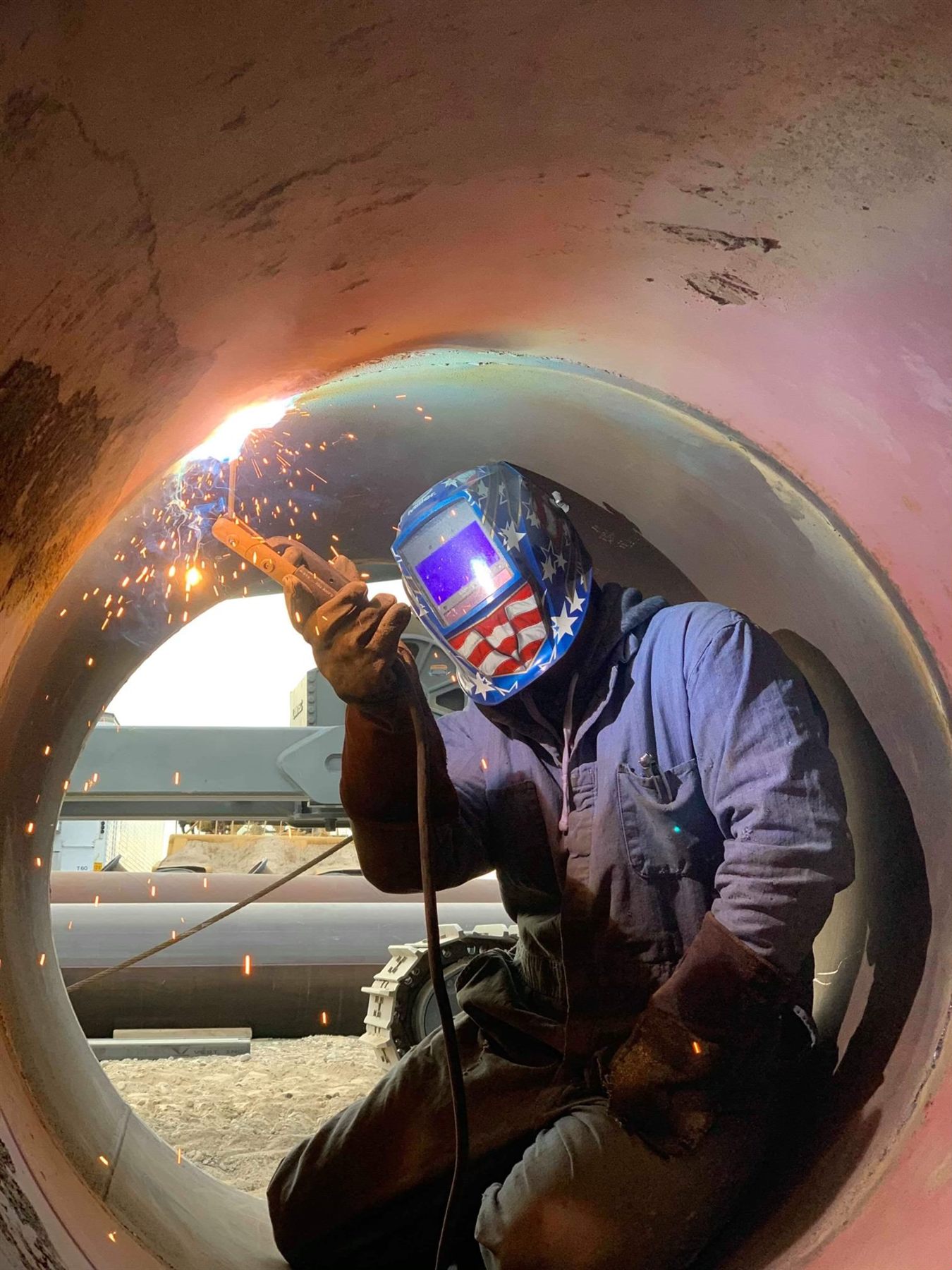
On mild steel, MIG is hard to beat. The continuous wire feed keeps travel speed up, so more weld goes down per hour and the bead stays even the whole length of the joint. That speed and consistency is what makes it the workhorse behind so much fabrication and repair work — and it does it with a tidy, low-spatter finish.
Where MIG does its best work
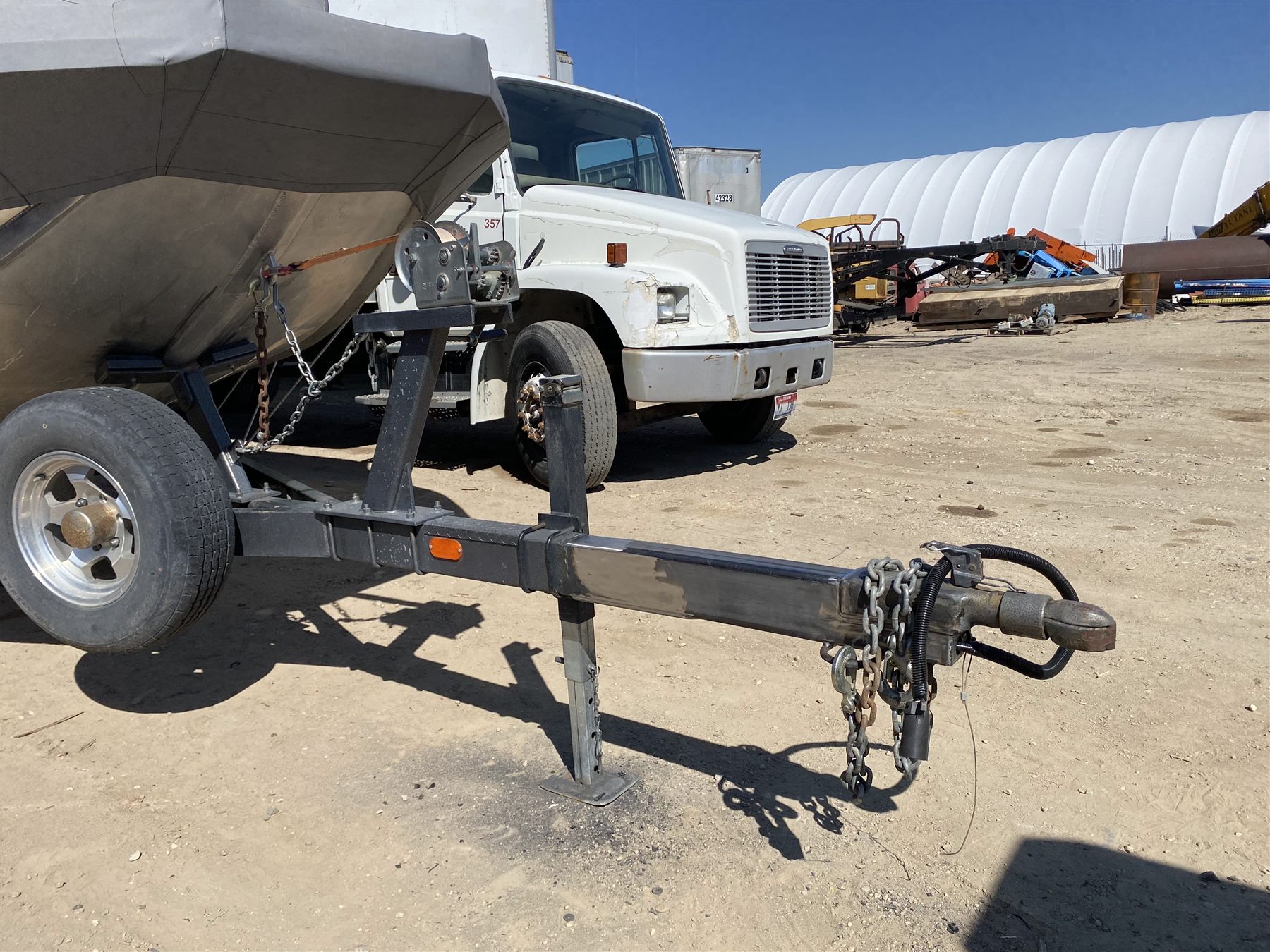
Most of what MIG touches is everyday steel: brackets, mounts, frames, and custom pieces built from scratch, plus the repairs that put a broken part back in service. Because it lays down weld quickly and cleanly, MIG keeps custom fabrication moving and makes short work of cracked or worn steel that needs to hold. If it's mild steel and it needs to be strong, MIG is usually the answer.
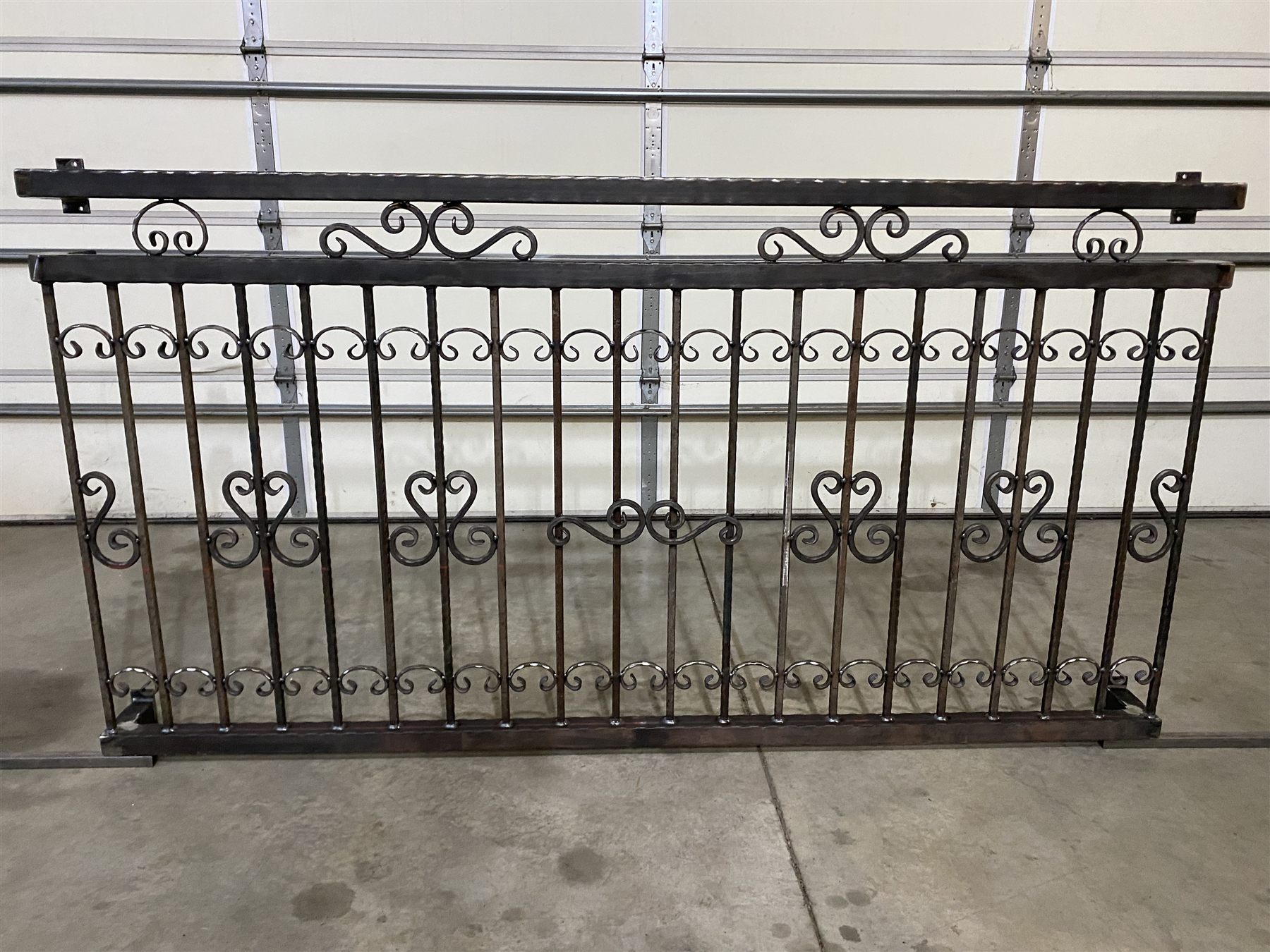
Trailer frames and ramps, farm gates, corral panels, railings, fences, and general steel projects all sit right in MIG's wheelhouse. The process joins these pieces fast without warping thin material, and the clean bead means a finished look on parts that show. From a trailer weld repair to a new gate, MIG handles the steel that keeps a property and its equipment working.
Honest limits & material range
MIG isn't the answer for everything, and it's worth being straight about that. Its shielding gas is easily blown away, so an open, breezy job site can ruin the weld — outdoors we often switch to flux-core wire or stick welding, which carry their own shielding and don't care about the wind. On thin stainless or aluminum where the finish matters, TIG gives more control. Matching the process to the metal and the conditions is half the job.
Steel is MIG's everyday metal, but the same process stretches further with the right setup. Swap the wire and shielding gas and it runs on stainless; add a spool gun or push-pull feeder and it can weld soft aluminum wire without it tangling on the way to the gun. In the shop we have room for full gas and wire changeovers, and mobile MIG covers on-site steel when the weather cooperates — see stainless & aluminum welding for the specialty work.
Related welding services
MIG is one process in the kit, not the whole story. Depending on the metal, the setting, and the finish, a project might call for TIG, stick, or a full fabrication build. Here's where MIG fits alongside the rest of the work.
Fine-control welds for thin stainless, aluminum, and projects where the finish shows.
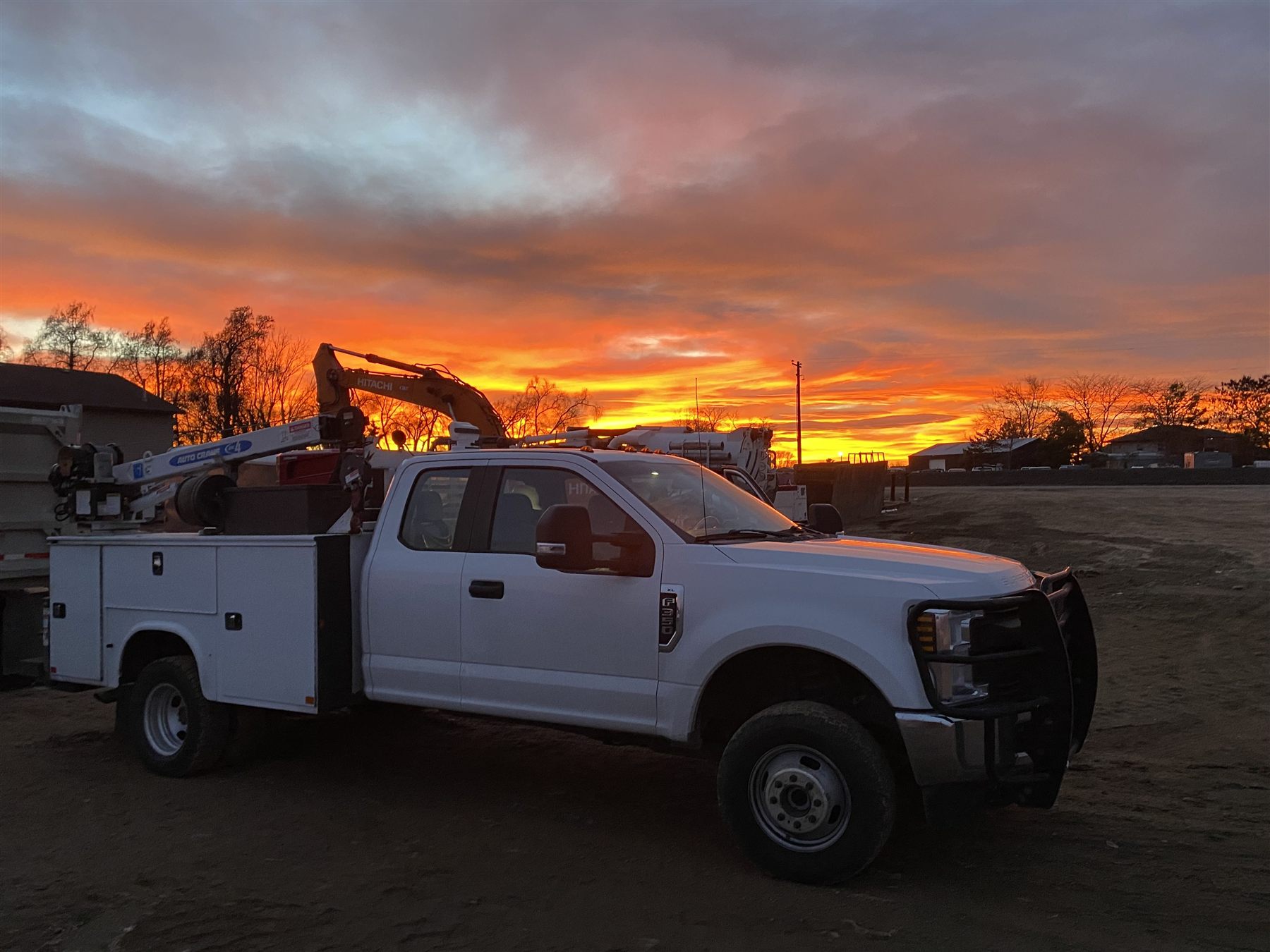
Rugged, wind-tolerant welds for thick steel and outdoor field repairs.
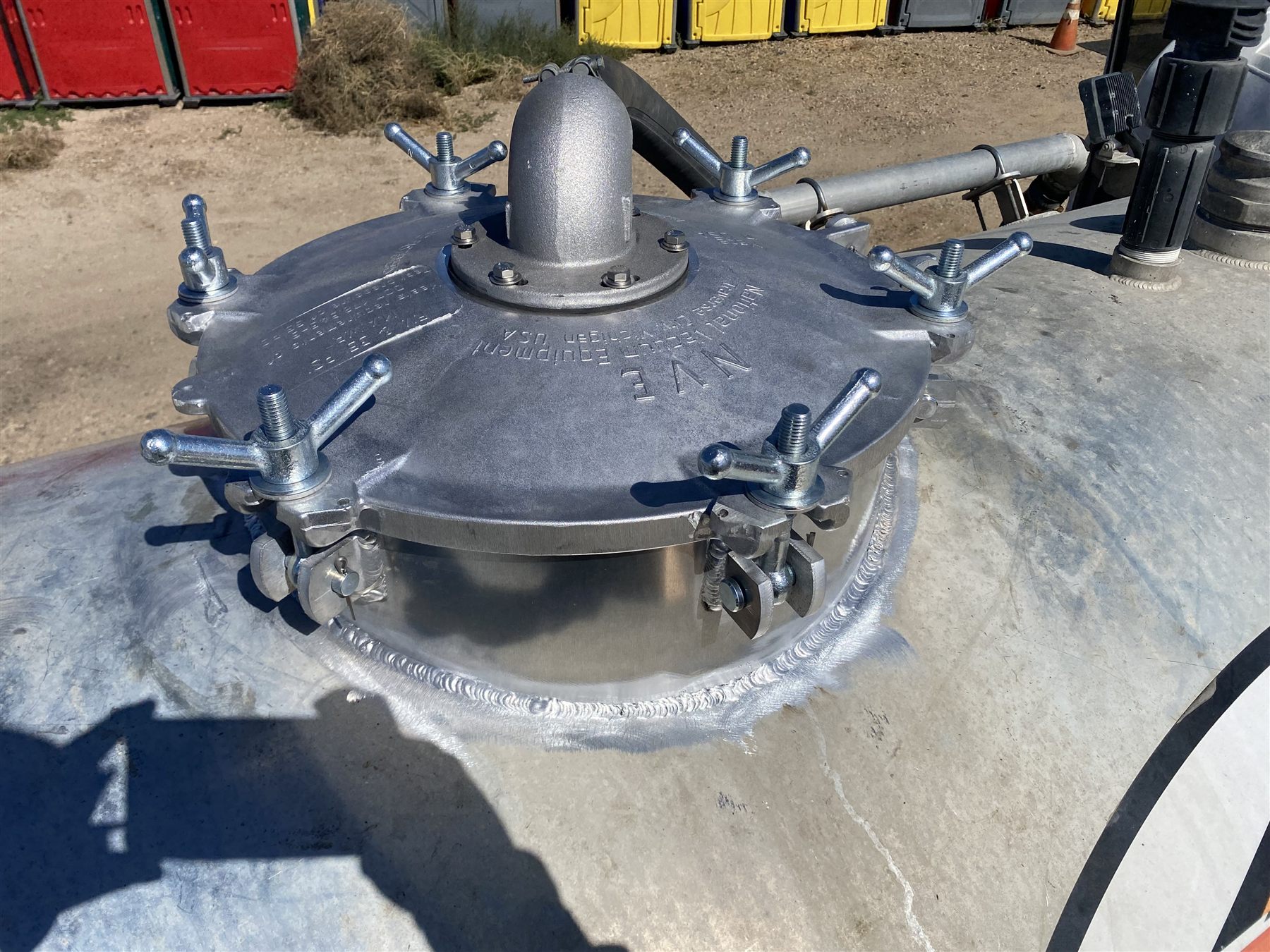
Brackets, mounts, frames, and custom steel built around how you'll actually use it.
Frames, axles, ramps, hitches, and fenders welded back to strong at your place or the shop.
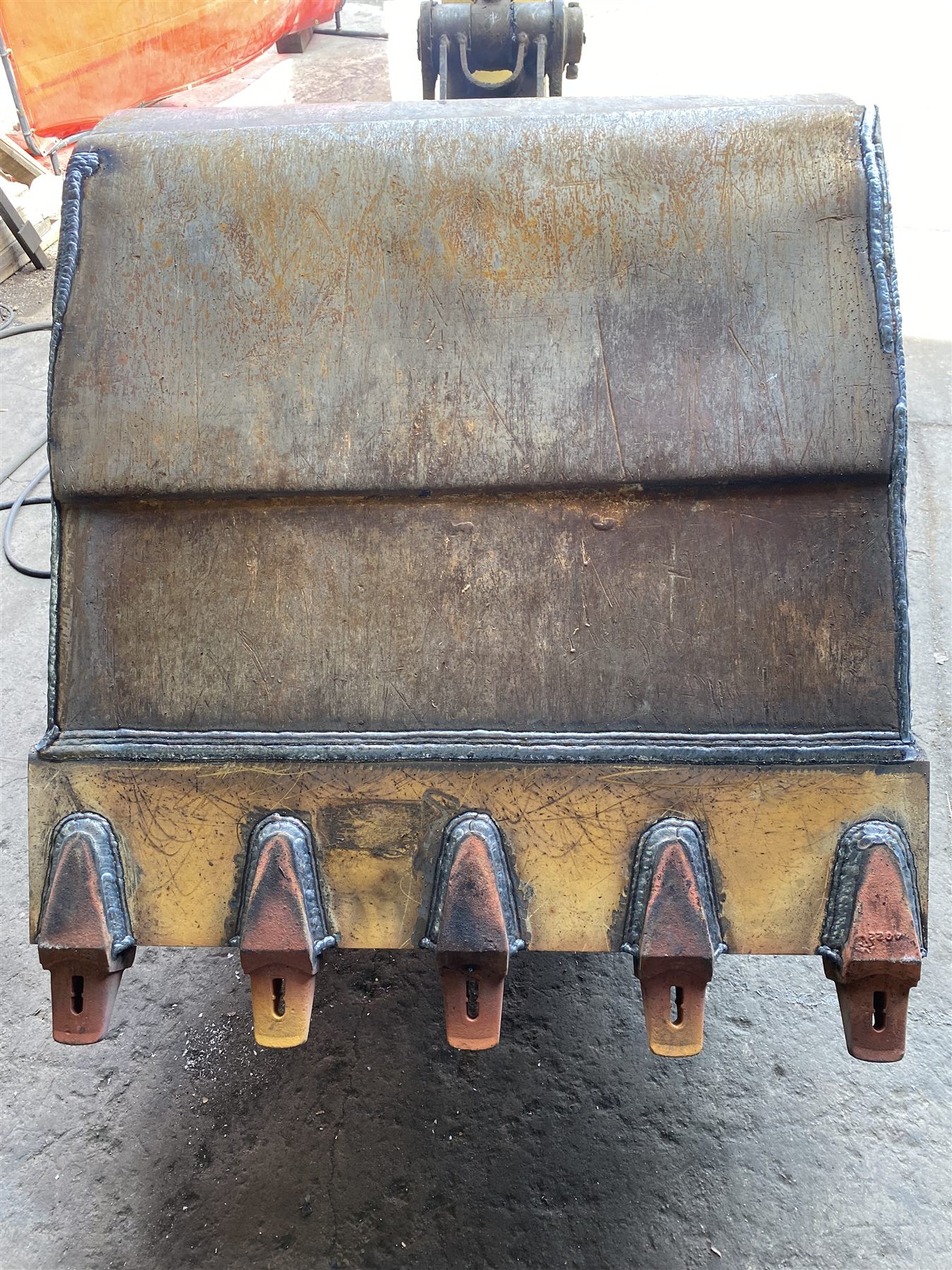
Buckets, attachments, cracked mounts, and field repairs for working equipment.
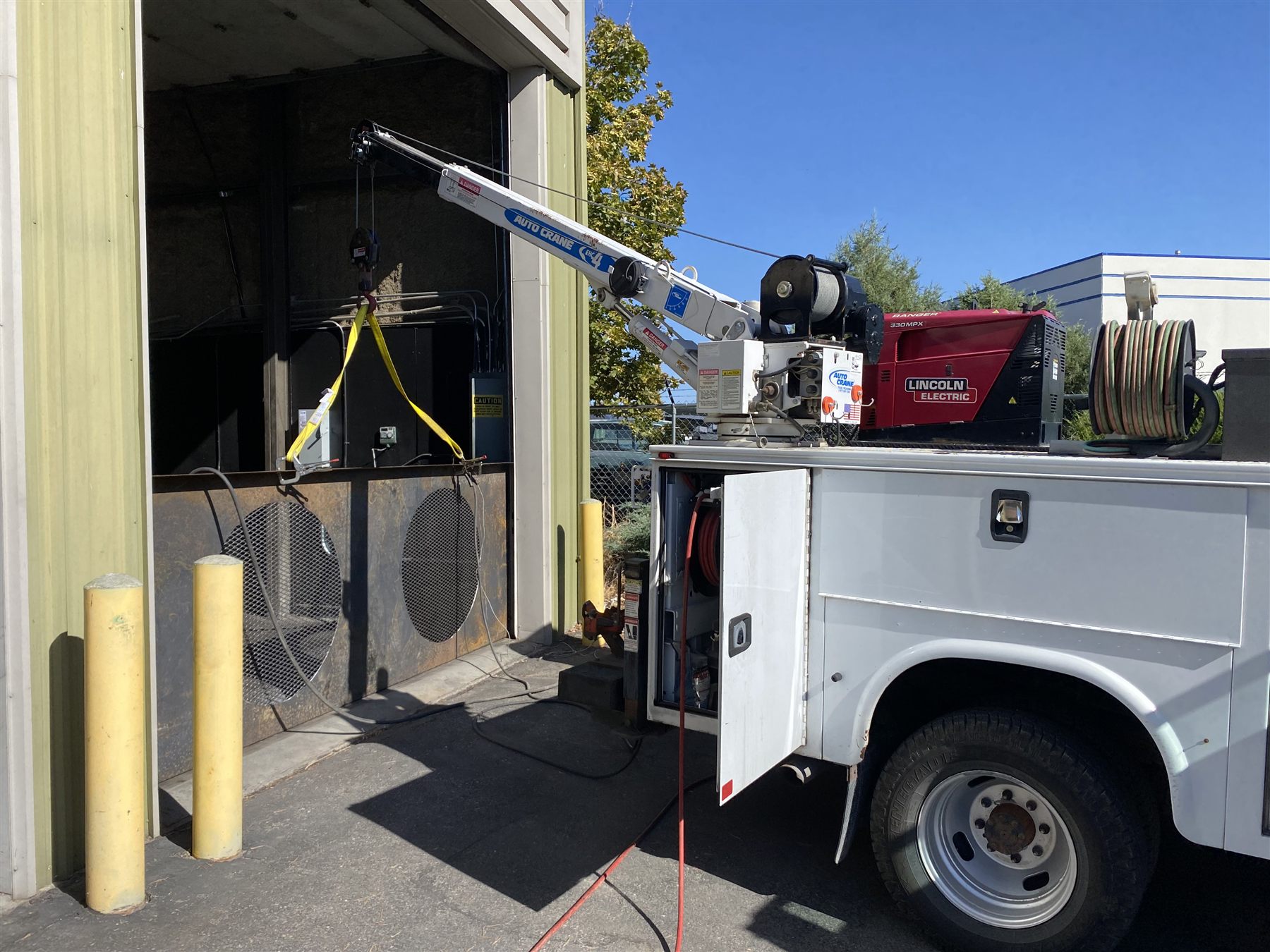
On-site service across the valley for projects too large, broken, or inconvenient to move.
Getting a MIG welding quote
Whether it's a batch of fabrication or a single steel repair, the quickest way to a straight answer is a couple of photos and your location. That tells us the metal, the thickness, and whether MIG is the right process before anyone quotes the job. Here's how to get the fastest reply.
The single fastest way to a real number. A couple of clear photos — wide and close — show us the material, the thickness, and roughly the weld time before anyone drives out.
Text photos to 208-409-0756 →Where the work sits decides shop versus on-site and whether wind is a factor. Send the city or address with your photos so we plan the job around the right process.
Text your location →Schedules don't wait for a broken part. If a machine or trailer is down and holding up work, call — after-hours and emergency welding calls are welcome.
Call 208-409-0756 →Common questions
MIG welding, known in the trade as gas metal arc welding or GMAW, feeds a continuous spool of wire through the gun while a shielding gas keeps air off the molten pool. Because the wire never stops, it lays down weld fast with a clean, steady bead — which is why it's the go-to process for steel fabrication and everyday repairs.
MIG shines on mild steel — brackets, frames, trailers, gates, railings, equipment repairs, and general fabrication. The wire-feed speed makes it quick and consistent on thin and medium material, and it leaves a tidy bead with little cleanup. For most steel work in the shop or the driveway, MIG is the workhorse.
Yes. Steel is the everyday MIG metal, but with the right wire and shielding gas the same process runs on stainless, and a spool gun or push-pull setup lets it feed soft aluminum wire without tangling. On thin or cosmetic aluminum and stainless we often switch to TIG for more control — the metal and the finish decide the process.
It depends on the job. MIG is faster and strong on steel, so it wins on fabrication, repairs, and anything with a lot of weld to lay down. TIG is slower but gives finer control on thin metal, stainless, and aluminum where the look matters. Tell us what it is and we'll pick the process that fits the metal and the budget.
Sometimes. MIG relies on shielding gas, and wind blows that gas away, so an open, breezy job site can spoil the weld. In those conditions we switch to flux-core wire or stick welding, which carry their own shielding and hold up outdoors. On calm days or sheltered spots, mobile MIG works fine — we bring the process the job actually needs.
The whole Treasure Valley — Boise, Nampa, Meridian, Caldwell, Eagle, Star, Kuna, and Middleton, plus the farm ground and job sites in between. If you're not sure whether you're in range, call or text and we'll let you know.
Calling is fastest. You can also text photos of the steel or project, along with where you are in the valley, and we'll get back to you with the next step and the right process for the job.