01
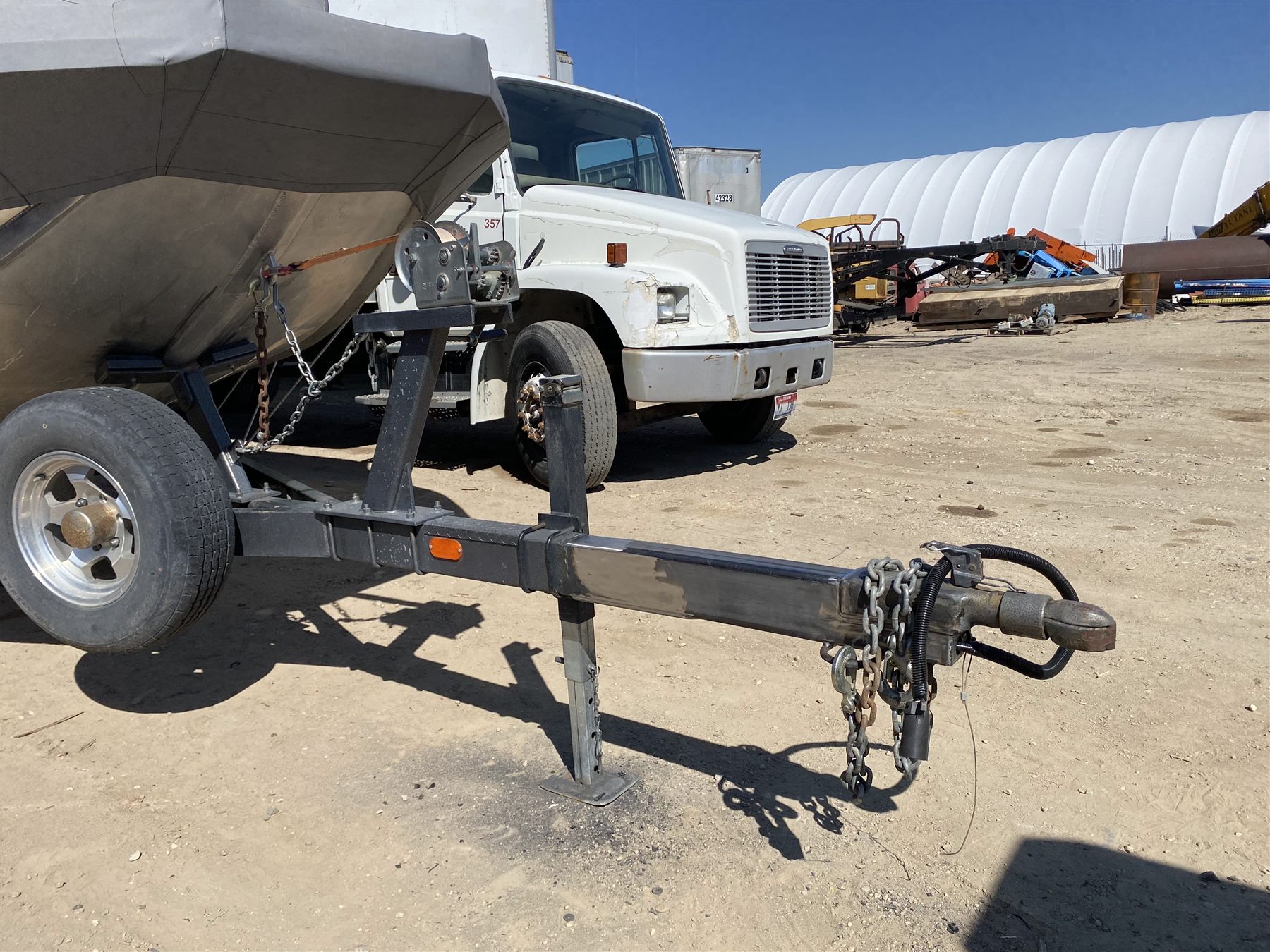
Trailer weld repair
Frames, axles, ramps, hitches, and fenders kept in service before they strand a load.
Maintenance welding & fabrication · Treasure Valley, Idaho
Scheduled and preventive weld repair for the steel that takes daily abuse. Instead of waiting for a hinge, ramp, or frame to fail on a job, we catch the cracks early and weld them back to strength — for fleets, farms, shops, and facilities across the Treasure Valley.
Preventive weld repair, valley-wide
Steel doesn't fail all at once. A hairline crack shows up at a hinge, a ramp starts to sag, a guard works loose, a rack leg bows a little more each load. Left alone, those small problems turn into the breakdown that stops a job. Maintenance welding is the work that gets ahead of them — going through the equipment, trailers, and hardware that take abuse and welding the weak spots back to strength before they let go.
Idaho Welding Service runs welding maintenance services across the whole Treasure Valley for shops, fleets, farms, and facility owners. Some of it is scheduled around your slow season or planned downtime; some of it is the call after something's already down. Either way, catching a crack early almost always costs less than replacing the failed steel it becomes.
The best time to fix a worn part is before it strands a machine mid-job. Call or text photos with your location and you'll get a straight answer on what needs attention now, what can wait, and how to schedule it around your operation.
What maintenance welding covers
Maintenance welding starts with looking, not just welding. We walk the steel that takes the most abuse — the frames, mounts, guards, and moving parts — and flag what's cracking, wearing thin, or working loose. Then the fixes get scheduled around your operation instead of shutting it down. Stick, MIG, and TIG on the truck handle steel, stainless, and aluminum wherever the work lives.
Where wear shows up first
Every operation has parts that give out first — hinges, ramps, guards, railings, racks, hoppers, chutes, and conveyor components. Anything that flexes, carries weight, or gets loaded and unloaded all day eventually cracks or wears thin. Preventive weld repair is built around exactly these wear items: reinforce the joints that keep failing, rebuild worn edges, and add gussets or plate where the load keeps finding the same weak spot.
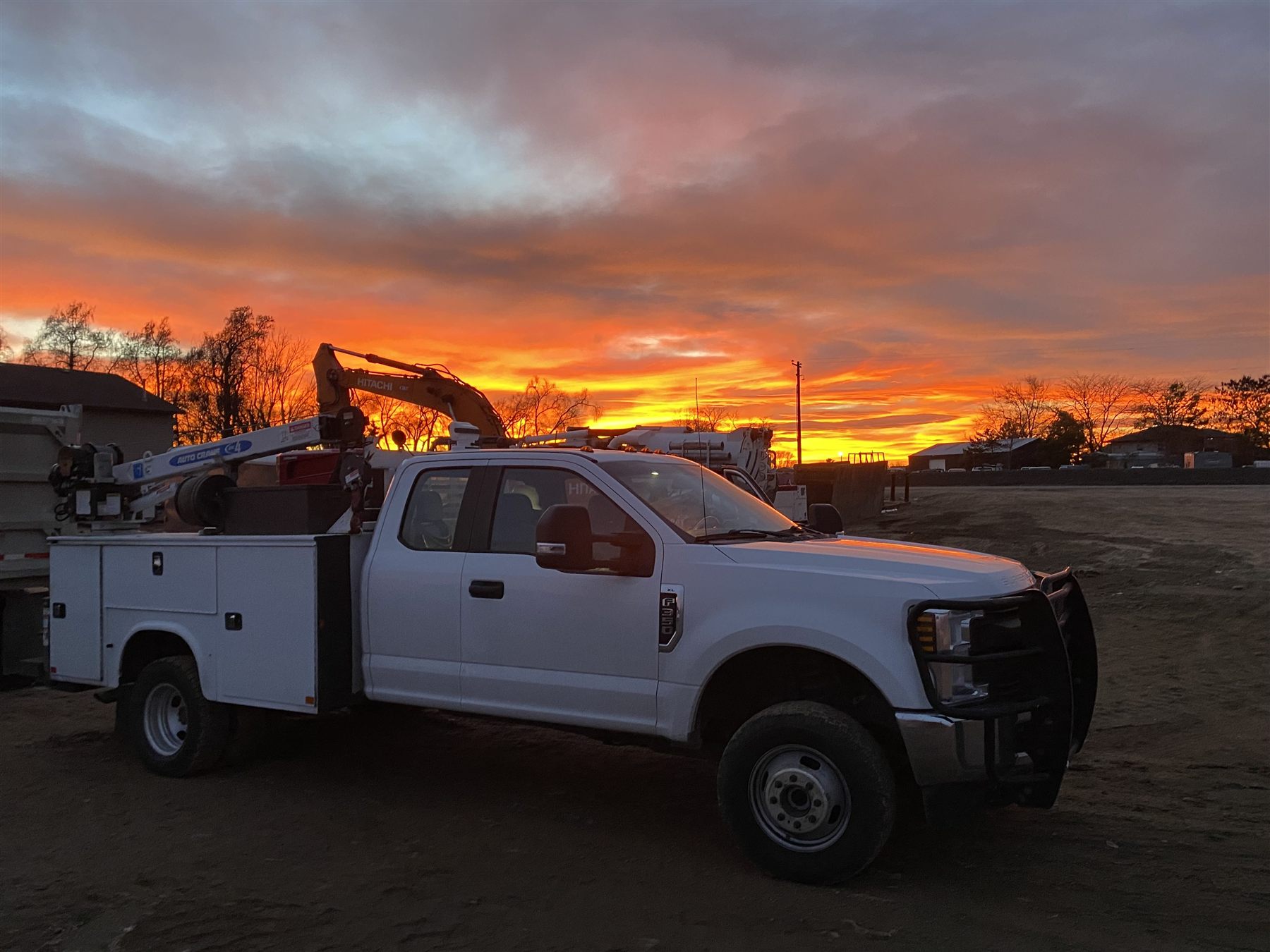
Different operations, same idea. Fleet welding maintenance keeps trailers, ramps, and dock hardware safe and hauling. Farm and ranch work means corral panels, gates, feeders, and implements gone through in the off-season. Facility maintenance welding covers guardrails, racking, gates, and steps that have to stay safe for people and product. In every case, a little upkeep on a schedule beats an unplanned failure.
Scheduled vs emergency
The cheapest downtime is the kind you choose. Booking welding maintenance services during a slow week, the off-season, or a planned shutdown means the steel gets fixed without a machine sitting idle mid-job. We can set up a walk-through of the equipment and hardware that takes abuse, sort what needs attention now from what can wait, and knock out the fixes on a timeline that works for your operation — not the one a breakdown forces on you.
A good maintenance visit starts with an honest look at the steel. We check the frames, mounts, welds, hinges, and load points that carry the most stress, and point out the cracks and thin spots that haven't failed yet but will. Catching a crack the size of your thumbnail and welding it is a small job; replacing the ramp, rack, or frame it would have destroyed is a big one. Straight answers on what's worth fixing come first — then the work.
Backed by every service we run
Maintenance welding keeps steel in service, but it's part of a bigger shop. When upkeep turns into a real repair or a new build, the same truck and the same welder handle it. Every service below can be scheduled or called in, on-site or in the shop.
Frames, axles, ramps, hitches, and fenders kept in service before they strand a load.
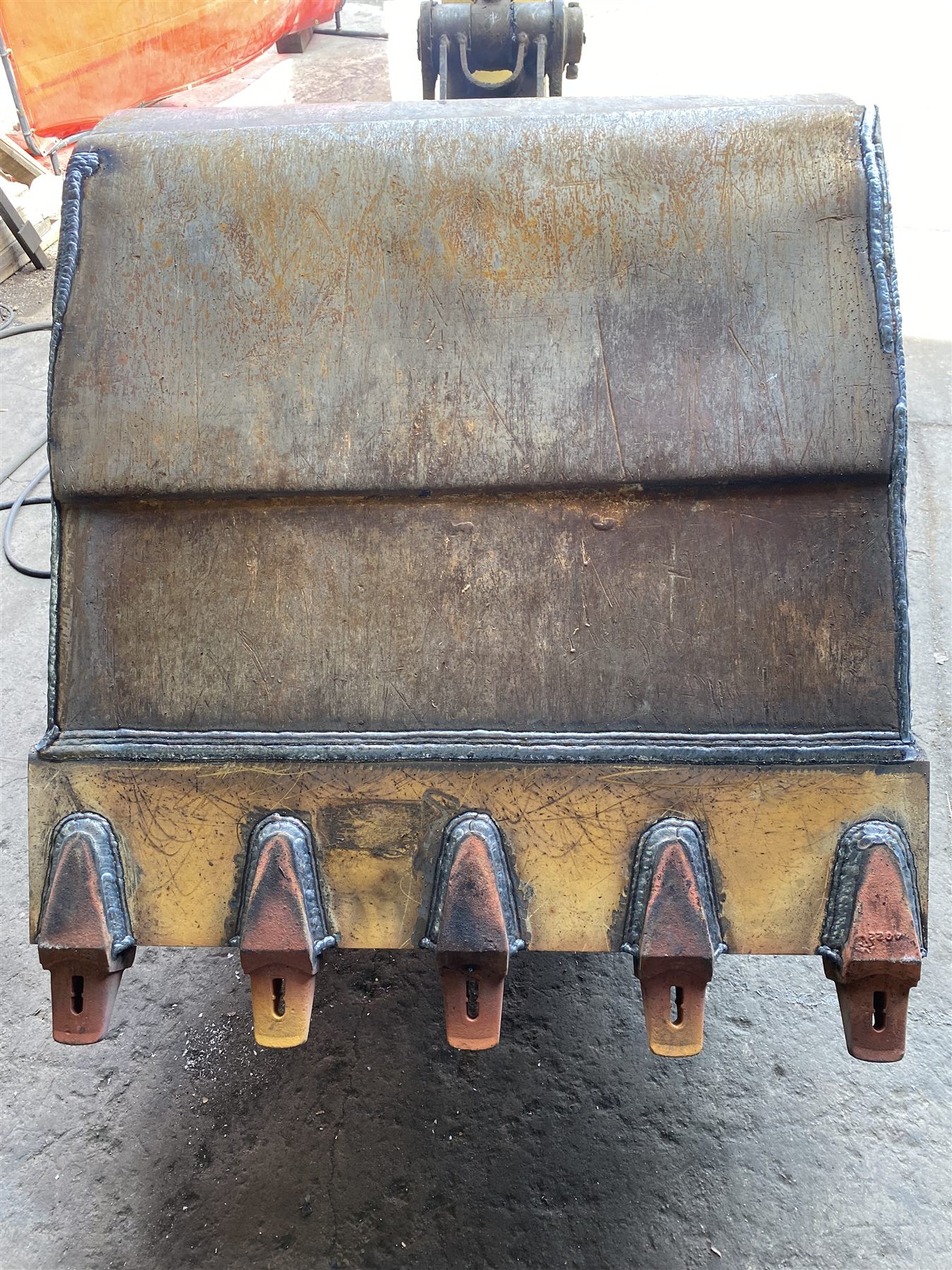
Buckets, attachments, and cracked mounts caught and reinforced before they fail mid-job.
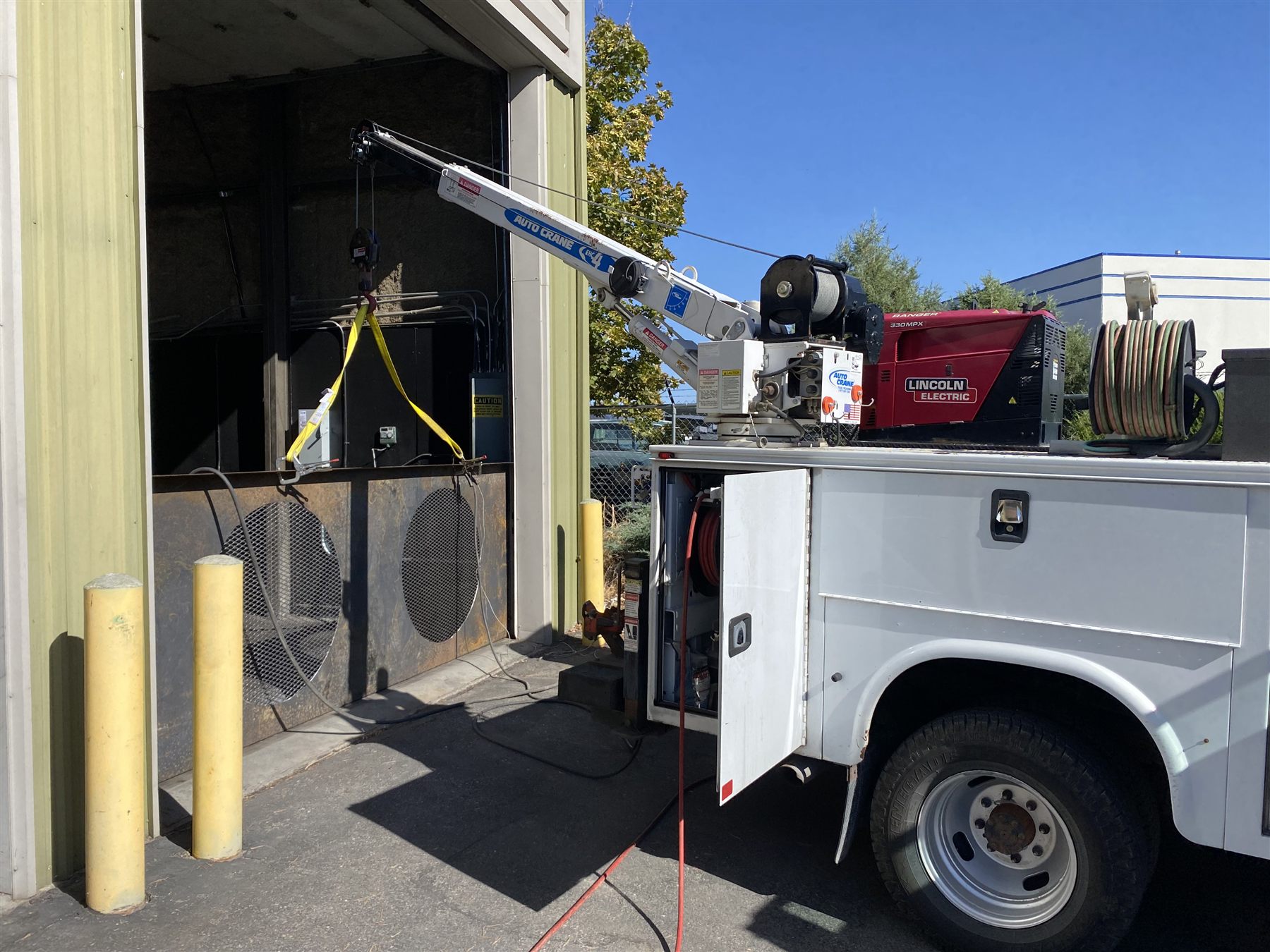
On-site service across the valley for steel too large, fixed, or busy to bring to a shop.
Replacement wear parts, guards, and reinforcement built to outlast what wore out.
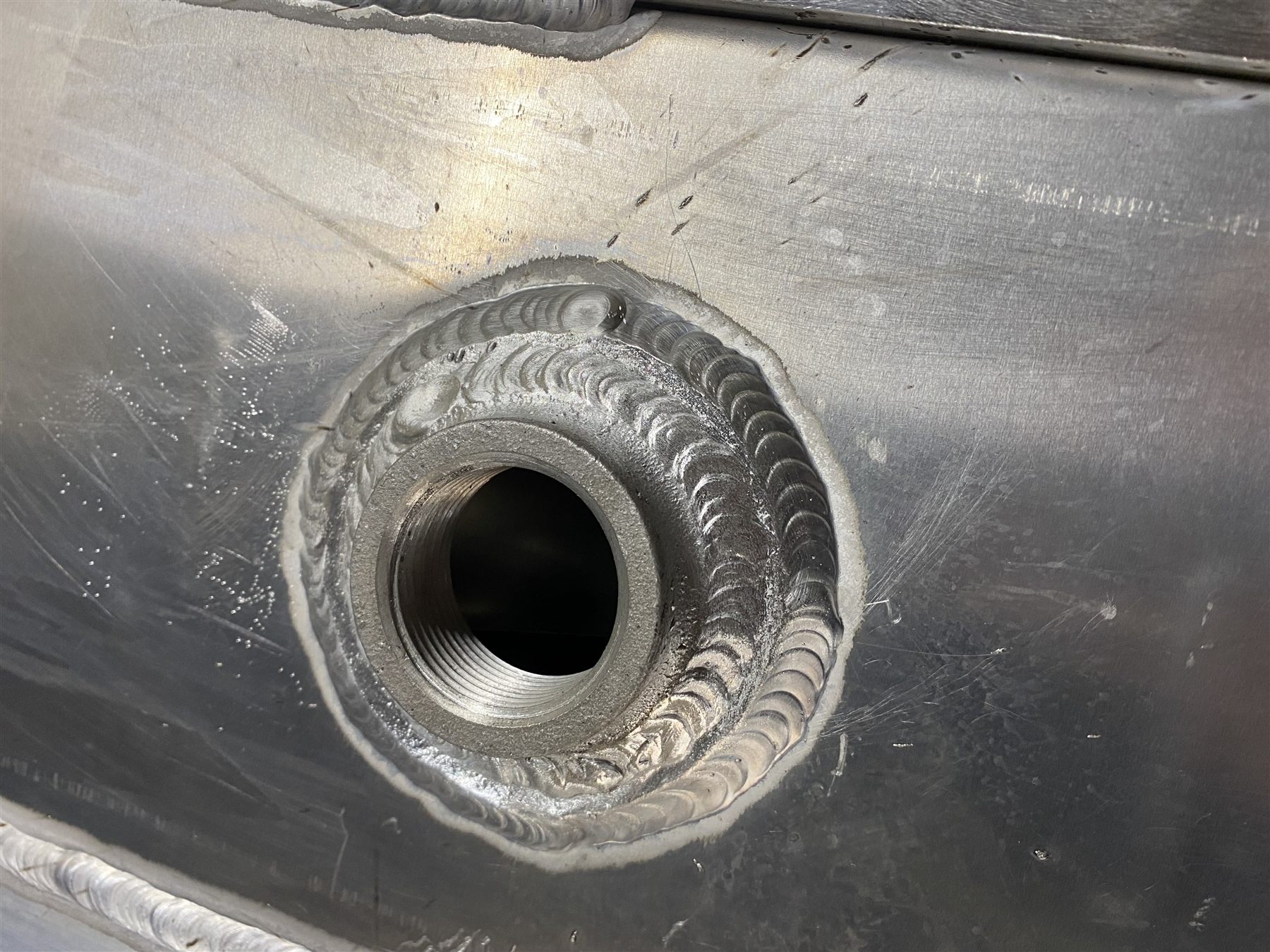
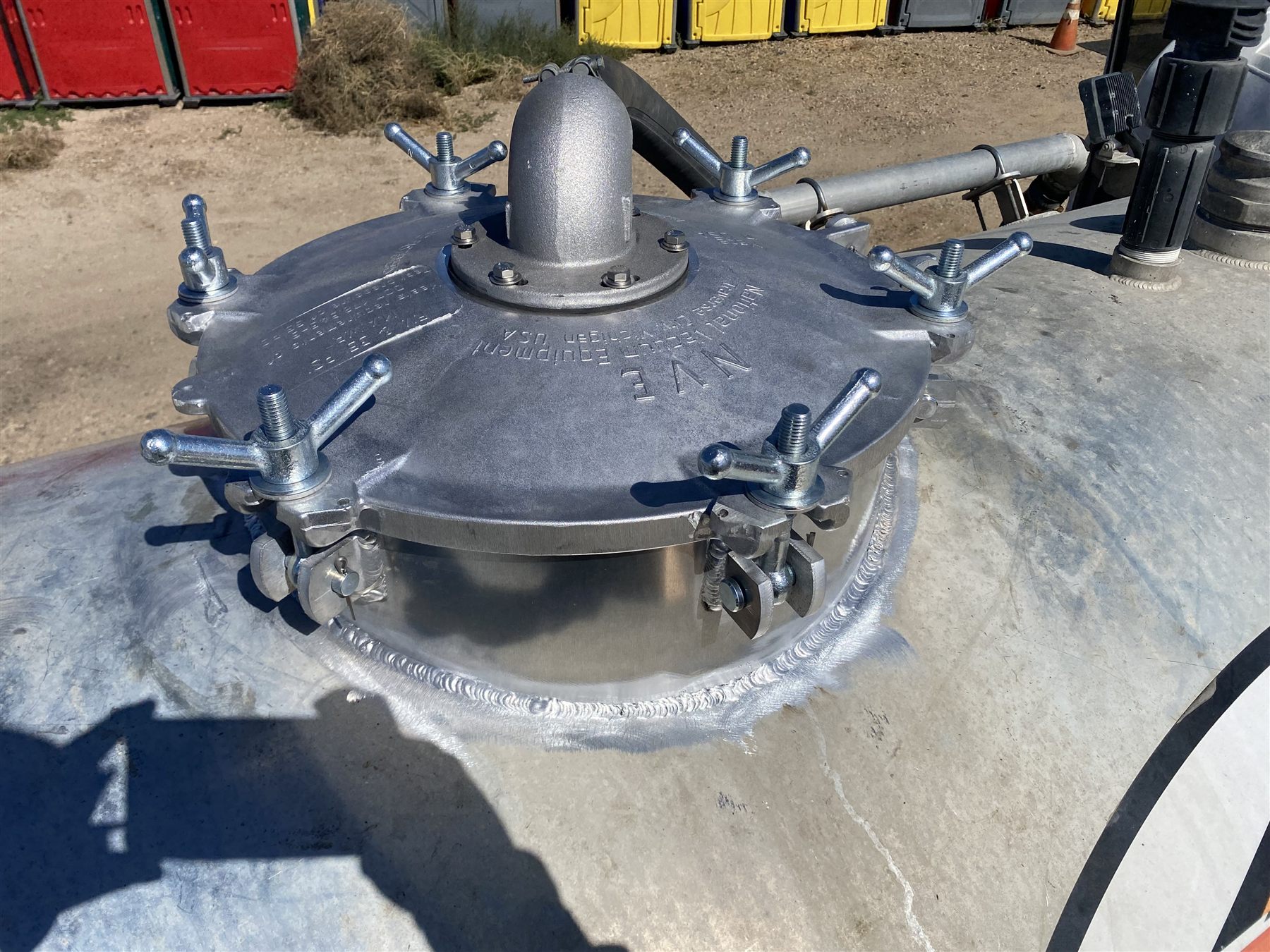
Clean TIG and MIG repairs for tanks, boxes, food equipment, and specialty hardware.
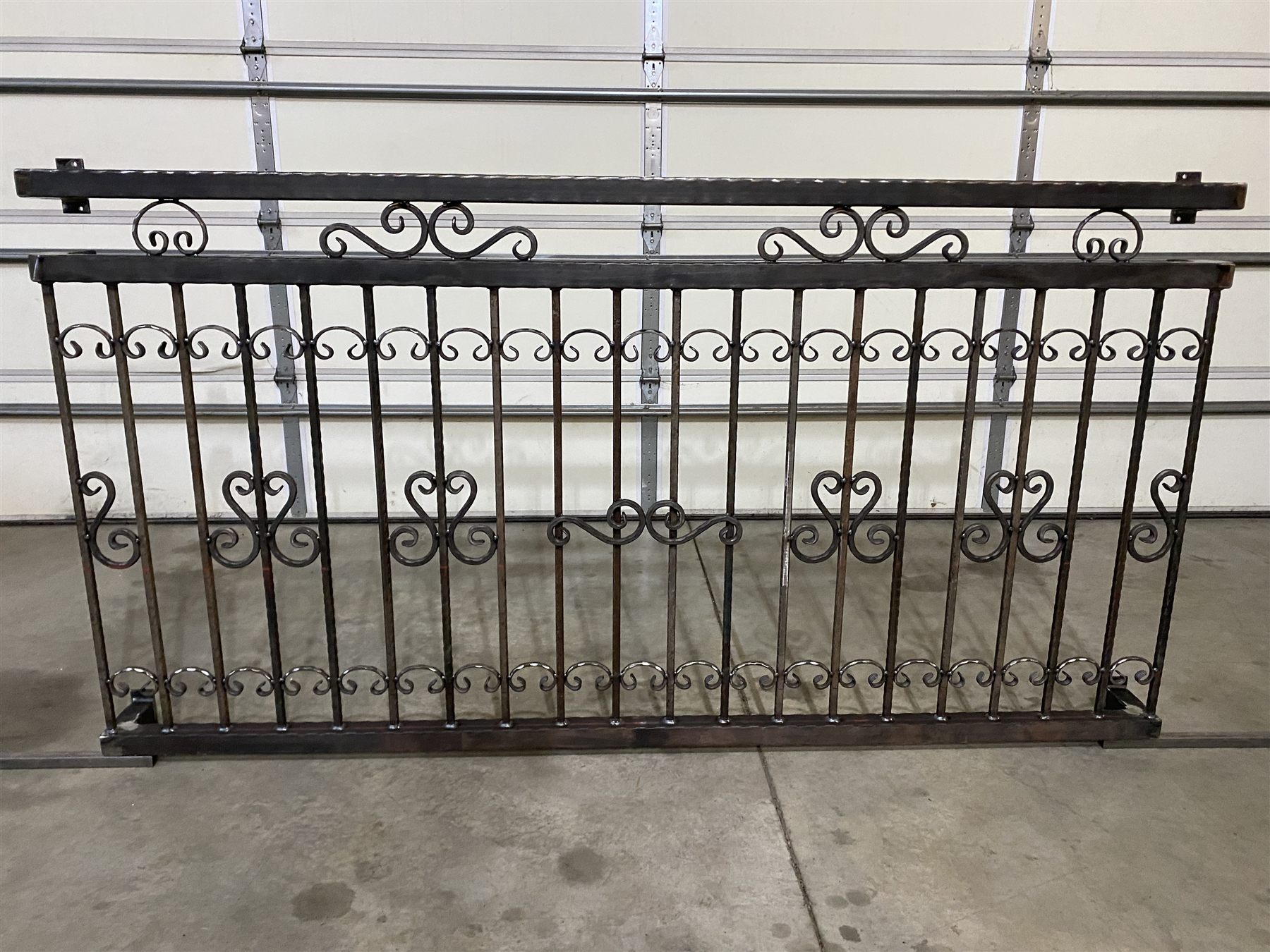
Handrails, guardrails, gates, and stairs kept solid and safe at homes and facilities.
Scheduled service & after-hours breakdowns
Ideally the steel gets maintained before it quits — but equipment doesn't always cooperate. Whether you want a scheduled walk-through or you've got a machine down right now, the fastest way to a real answer is the same: show us what's going on. Here's how to get a quote and get on the schedule.
The fastest way to a real number. A couple of clear photos of the cracked or worn spot — wide and close — tells us the material, the access, and roughly the weld time before anyone drives out.
Text photos to 208-409-0756 →For fleets, farms, and facilities, a scheduled look at the steel that takes abuse gets ahead of the failures. Tell us what you run and we'll plan a maintenance visit around your slow stretch.
Text to schedule a visit →Maintenance skipped has a way of becoming an emergency. If a machine or trailer goes down and it's holding up work, call — after-hours and emergency weld repair calls are welcome.
Call 208-409-0756 →Common questions
Maintenance welding is the ongoing weld repair and reinforcement that keeps steel working instead of failing. Rather than waiting for a part to break, we go through the equipment, trailers, railings, racks, and hardware that take daily abuse, catch cracked and worn spots early, and weld them back to strength before they turn into a breakdown.
Scheduled maintenance welding happens on your timeline — during planned downtime, the off-season, or a slow week — so the work gets done without holding up a job. An emergency repair happens after something has already failed and is costing you money every hour it sits. Both are welcome, but planned maintenance is almost always cheaper than the breakdown it prevents.
The parts that take the most abuse — hinges, ramps, guards, railings, racks, hoppers, chutes, conveyor components, gates, and equipment mounts. Anything that flexes, carries weight, or gets loaded and unloaded all day eventually cracks or wears. Those wear items are exactly what preventive weld repair is built to catch and fix.
Yes. Farm and ranch steel takes a beating and often waits until it snaps. The off-season and the stretch before planting or harvest are the right time to go through corral panels, gates, feeders, trailers, implements, and irrigation hardware and weld the worn spots before the busy run starts.
Yes. Property managers, shops, and fleet owners lean on maintenance welding to keep dock hardware, guardrails, racking, gates, ramps, and trailers safe and in service. We can do a walk-through of the steel that takes abuse, flag what needs attention, and schedule the fixes around your operation instead of shutting it down.
The whole Treasure Valley — Boise, Nampa, Meridian, Caldwell, Eagle, Star, Kuna, and Middleton, plus the farm ground and job sites in between. If you're not sure whether you're in range for a scheduled or on-call visit, call or text and we'll let you know.
Calling is fastest. You can also text photos of the cracked or worn steel, along with where you are in the valley, and we'll get back to you with the next step — a scheduled visit or a straight quote.